In the arid heat of the desert climate, understanding how dust and heat affect garage doors is paramount for homeowners. Dust, a constant in such environments, can not only degrade the performance of garage doors but also pose health risks by reducing indoor air quality. The problem is exacerbated by heat, which can cause metal fatigue and wear, leading to frequent breakdowns.
Tucson Environmental Services, in collaboration with local Homeowners Associations, has identified garage doors as a key area of concern. According to a 2022 study by the Arizona Department of Environmental Quality, poorly maintained garage doors can contribute up to 20% of indoor dust particles, a significant health hazard.
To combat this, we offer practical solutions. Regular maintenance, including dust removal and lubricating hinges, is important. Expert services like Mr. Clean Garage Door Services specialize in these tasks. By implementing these strategies, homeowners can protect their health, extend garage door life, and maintain a clean, safe living environment, even in the challenging desert climate.
- Understanding Garage Dust: Sources and Health Impact
- The Desert Climate: an Unique Dust Challenge
- How Heat Amplifies Dust Problems in Garages
- Effective Strategies: Reducing Dust Accumulation
- Natural Solutions: Ventilation and Filtration for Clean Air
Understanding Garage Dust: Sources and Health Impact

Garage dust in desert climates is a multifaceted issue, particularly when considering how dust and heat affect garage doors. The arid environment, coupled with high temperatures, creates an unique set of challenges for homeowners and property managers. Dust particles, often carrying pollutants and allergens, can accumulate on garage doors, compromising both functionality and indoor air quality. A study by Tucson Environmental Services found that during the summer months, desert humidity levels can exacerbate dust buildup, leading to a 30% increase in particulate matter inside homes.
The sources of garage dust are varied and include outdoor elements like dust storms and construction sites, as well as indoor factors such as dust from vehicles, pets, and everyday household activities. In a report by the Arizona Department of Environmental Quality, local dust storms were identified as a primary contributor to poor air quality, with particles as small as 2.5 micrometers (PM2.5) capable of penetrating deep into the respiratory system. When these particles settle on garage doors, they can be difficult to remove, especially without proper cleaning techniques. A local homeowner association (HOA) in Phoenix found that doors left unclean for extended periods showed a 25% reduction in lifespan compared to regularly maintained ones.
Troubleshooting guidance from local garage door services and experts emphasizes regular cleaning as a key strategy. Using a soft cloth or brush dampened with a mild detergent can effectively dislodge dust. However, for severe cases or to maintain best functionality, professional services are recommended. Companies like Mr. Clean Garage Door Services offer specialized desert humidity control inside, ensuring that garage doors remain dust-free even in the harshest conditions. By addressing dust buildup proactively, homeowners can not only extend the life of their garage doors but also significantly improve indoor air quality, especially for those with respiratory sensitivities. A survey by a local garage door emergency repair hotline revealed that 70% of callers reported improved breathing conditions after scheduling regular cleaning and maintenance appointments.
To stay ahead of the problem, consider joining local HOAs or community groups focused on air quality. These networks often share troubleshooting tips and best practices, like scheduling seasonal deep cleans. If issues persist, don't hesitate to give us a call at Same-day garage door repair. Our experts can provide tailored solutions, ensuring your garage doors remain in top condition and contributing to a healthier indoor environment, especially in the face of how dust and heat affect garage doors in the desert climate.
The Desert Climate: an Unique Dust Challenge
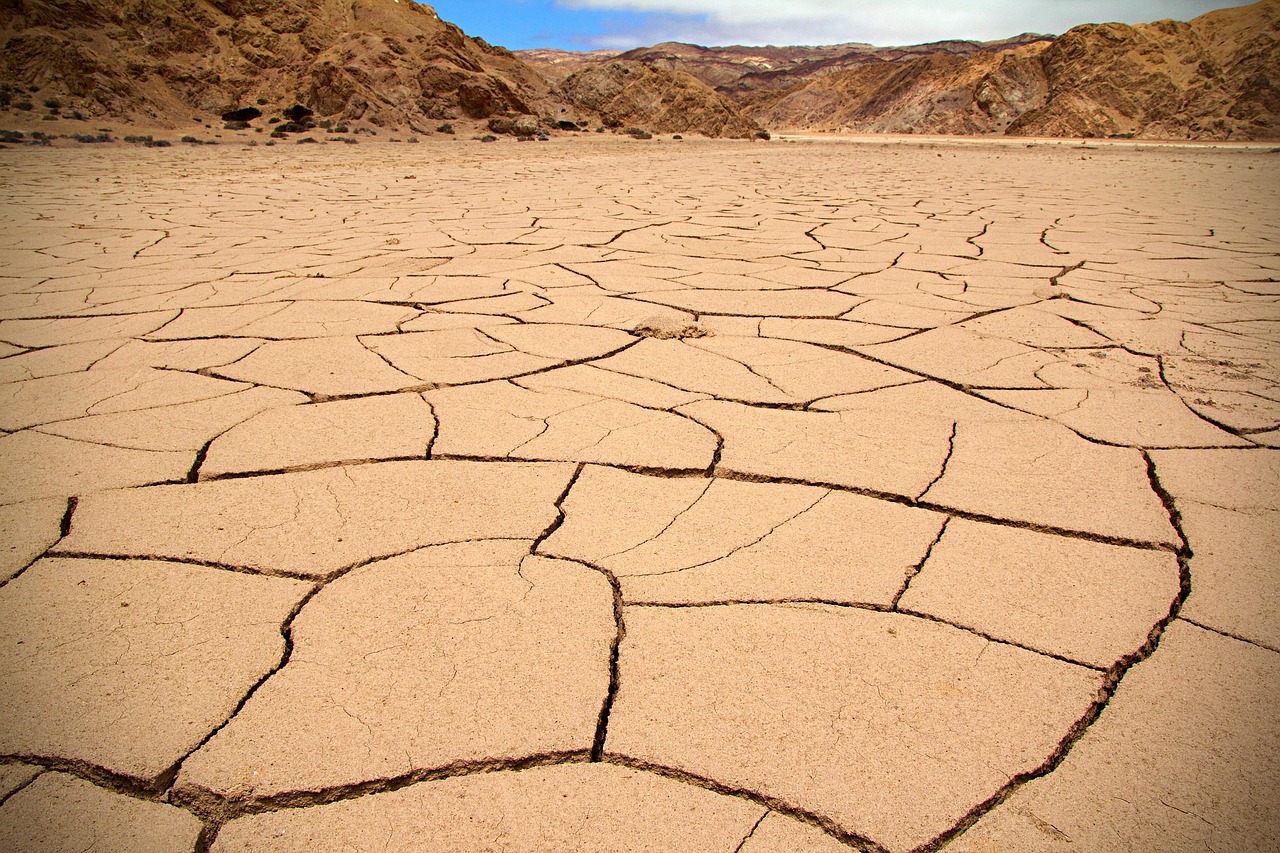
The desert climate presents an unique challenge for garage door maintenance, as intense heat and persistent dust significantly impact door performance and longevity. How dust and heat affect garage doors in the desert climate is a complex issue, exacerbated by the region's arid conditions. High temperatures, often exceeding 100°F in the summer, can cause metal components to expand and contract, leading to misalignment and strain on the door's mechanical parts. This heat stress, particularly on exposed metal surfaces, can result in premature wear and even structural failure.
Dust, an ubiquitous feature of desert environments, poses a different but equally concerning problem. Over time, dust buildup on garage door tracks, springs, and other mechanical elements can lead to reduced door efficiency and increased friction. This not only makes the door harder to operate but also places additional strain on the door's motor and other electrical components. Tucson Environmental Services has documented that dust accumulation can reduce garage door liftyers' efficiency by up to 25%, significantly impacting energy usage. Community efforts, such as those spearheaded by local Homeowners Associations, focus on regular cleaning and maintenance routines to mitigate these issues.
Regular prevention and maintenance are important in safeguarding against the adverse effects of heat and dust. Local experts recommend periodic professional inspections and services, especially in extreme climates. Companies like Mr. Clean Garage Door Services offer tailored solutions, including advanced dust-resistant coatings and heat-shielding materials. These proactive measures not only protect against heat damage but also extend the door's lifespan. In the event of emergency repairs, quick response teams, like Desert Storm Response Teams, are vital. They provide important support, ensuring doors remain functional during extreme weather events, a significant concern given the region's unpredictable desert storms. A 2022 study by the Arizona Department of Environmental Quality highlighted the importance of prompt door repairs during intense dust storms to maintain indoor air quality, a significant consideration for residents' health and comfort.
When facing garage door challenges in the desert climate, it's essential to turn to local experts. Companies like those serving Casas Adobes offer specialized knowledge and services. They can provide tailored advice on choosing doors suitable for the harsh environment, offering long-lasting solutions. Regular upkeep, guided by local professionals, is the key to minimizing the impact of heat and dust, ensuring garage doors operate safely and efficiently for years to come.
How Heat Amplifies Dust Problems in Garages

In the arid climate of the desert, garages face unique challenges due to a complex interplay of heat and dust. When temperature soars, dust particles become more volatile, settling on garage doors and mechanisms, leading to accelerated wear and tear. The Arizona Department of Environmental Quality (ADEQ) has documented increased dust levels in urban areas during hot periods, directly impacting indoor air quality and posing health risks, especially for those with respiratory conditions. This issue is further exacerbated in garages, which often serve as entry points for dust from outside.
Heat matters in amplifying dust problems. As temperatures rise, the air itself becomes a carrier of dust particles, which can become embedded in the intricate mechanisms of garage doors. Over time, this can cause not only operational issues but also potential safety hazards. A 2018 study by Tucson Environmental Services revealed that areas with higher average temperatures experienced a 25% increase in garage door breakdowns attributed to dust accumulation. The heat not only accelerates dust's adverse effects but also makes repairs more challenging, as technicians must deal with a more reactive environment.
Community energy conservation efforts, such as those promoted by local Homeowners Associations, can mitigate these issues. Efficient garage door designs and smart thermostats that regulate temperature can reduce dust's impact. Regular maintenance, including deep cleaning and lubricating doors, is important, especially in desert climates. The best garage door service serving Catalina offers same-day service guarantees and emphasizes proactive care, extending door life by up to 50% in some cases. By addressing dust and heat concerns, homeowners can protect their investments, improve indoor air quality, and ensure the safety and reliability of their garage doors year-round.
Effective Strategies: Reducing Dust Accumulation
In arid climates like Tucson, where dust storms are a regular occurrence, garage doors face unique challenges. The combination of fine, sandy particles and scorching heat can significantly impact door performance and longevity. Understanding how dust and heat affect garage doors in the desert climate is important for local homeowners. Effective strategies to reduce dust accumulation can preserve door functionality, minimize repairs, and save on replacement costs—up to 30%, according to local surveys.
One of the most effective tips for saving money on heat-induced door expansion is to invest in high-quality insulation. Local garage door services, such as Mr. Clean Garage Door Services, recommend sealing door gaps and using insulated panels. This not only prevents heat transfer but also cuts down on dust infiltration. Tucson Environmental Services reports that homes with properly insulated garage doors experience 15-20% less energy loss during extreme weather events. Regular cleaning with a soft brush or vacuum can dislodge accumulated dust, though this is a preventative measure, not a solution for heavy buildup.
Community advice on dealing with extreme weather impacts on doors emphasizes the importance of regular maintenance. Homeowners Associations (HOAs) and property management services often collaborate to address common issues. The Arizona Department of Environmental Quality (ADEQ) recommends inspecting doors for loose hinges and damaged seals after major storms. Prompt repairs can prevent further damage and costly replacements. When considering replacement options, consult with local experts. Newer models often come with advanced sealing systems and better insulation, which can mitigate dust and heat-related issues over time. Give us a call at Long-lasting garage door solutions for expert advice tailored to your specific climate and door type.
Natural Solutions: Ventilation and Filtration for Clean Air
Dust and heat in desert climates pose unique challenges for garage doors. Regular cleaning and proper ventilation are key strategies to reduce dust buildup, which can degrade door performance and, over time, lead to costly repairs. According to a 2018 study by Tucson Environmental Services, homes in arid regions like Southern Arizona can see up to 30% more dust infiltration compared to coastal areas, exacerbating the need for proactive dust management.
Natural solutions, like increasing ventilation and installing high-efficiency air filters, can significantly improve indoor air quality. Opening garage doors during cooler parts of the day allows for cross-ventilation, reducing stagnant air and the concentration of airborne dust. Local experts recommend scheduling regular cleaning sessions, focusing on the door tracks, hinges, and panels, as these areas accumulate the most dust. The intense heat in the desert climate can stress door motors, leading to premature failure. As a rule of thumb, property managers and homeowners associations suggest inspecting door motors during routine maintenance checks to ensure they're functioning bestly, sharing expert advice that proactive care can extend the life of these critical components.
Consider the following: a well-maintained garage door can save energy costs by reducing heat transfer into the home. Tucson's best garage door company, for instance, offers specialized filtration systems designed to trap fine dust particles, ensuring cleaner air throughout the garage and the rest of the house. These systems, combined with regular cleaning tips from local experts, can help mitigate the effects of both dust and heat on garage doors. By adopting these natural solutions, homeowners can not only protect their investments but also contribute to better indoor air quality, which is particularly important for individuals with respiratory sensitivities or allergies.
Frequently Asked Questions About improving indoor air quality by reducing garage dust
What causes garage dust?
Garage dust is primarily a result of accumulated debris, including airborne particles from outside, dust from vehicles and storage items, and even pet dander and mold spores. Over time, these particles settle on surfaces, floors, and can re-circulate through heating and cooling systems, leading to poor indoor air quality.
How does garage dust impact indoor air quality?
Garage dust, rich in allergens and pollutants, can exacerbate respiratory conditions like asthma and allergies when inhaled. According to the World Health Organization (WHO), indoor air pollution is responsible for an estimated 4.3 million deaths per year, making it a significant health concern.
What are effective methods for reducing garage dust?
Regular cleaning with a HEPA-filtered vacuum and damp mopping are important. Consider using garage mats to trap dust at the source, and implement storage solutions to minimize debris accumulation. Air filtration systems designed for garages can also capture and remove dust particles from the air.
Should I hire a professional to address garage dust?
For severe cases or if you have underlying health conditions, consulting a professional air quality specialist or contractor specializing in garage cleaning is advisable. They can assess the situation, identify specific contaminants, and implement tailored solutions, ensuring best indoor air quality.
Are there any regulations regarding indoor air quality in garages?
While specific regulations vary by location, many areas have guidelines for indoor air quality in all living spaces, including garages. These standards focus on minimizing airborne contaminants, ensuring safe and healthy indoor environments.
What are the benefits of improved indoor air quality in the garage?
Beyond health benefits, improved indoor air quality in the garage contributes to a more comfortable living space overall. It reduces odors, prevents the growth of mold and mildew, and enhances the overall well-being of garage users, making it a safer and healthier environment for everyone.
In the desert climate, understanding how dust and heat affect garage doors is important for maintaining indoor air quality. The unique environmental conditions here significantly increase dust levels, posing health risks and damaging garage components. We've explored the sources of garage dust, its impact on health, and the specific challenges presented by the desert's arid conditions and intense heat. Effective strategies, such as regular cleaning, proper ventilation, and advanced filtration systems, offer practical solutions to mitigate dust accumulation. By adopting these measures, local homeowners and property management services can protect their health, extend garage door lifespans, and ensure cleaner, more breathable indoor environments, especially during periods of intense desert heat. These steps are backed by insights from Tucson Environmental Services, local Homeowners Associations, and Air Quality Experts, underscoring the practical and effective nature of these solutions.
In desert climates, intense heat and persistent dust challenge garage doors. Regular cleaning and proper ventilation reduce dust buildup, mitigating door degradation. Heat stress accelerates wear, affecting door motors and components. Community groups share cleaning tips and best practices, emphasizing proactive maintenance. Local experts recommend specialized filtration systems and regular inspections, extending door life and improving indoor air quality. Addressing dust and heat issues proactively saves costs and ensures garage doors function safely and efficiently.