In arid climates like Tucson, Arizona, understanding how dust and heat affect garage doors is important for maintaining indoor air quality. Desert environments harbor fine particulate matter, driven by both natural desert winds and human activities. This dust can accumulate on garage doors, leading to not only an eyesore but potential health risks when it's tracked inside. The problem is exacerbated by the intense heat, which can cause doors to expand, warp, or fail, especially in older models. This article examines into effective prevention and maintenance strategies, from local services like Mr. Clean Garage Door Services and Tucson Environmental Services, to tips from the Arizona Department of Environmental Quality, to address this multifaceted issue. We'll explore how proactive measures can not only extend the life of garage doors but also contribute to a healthier living environment for local homeowners, particularly in light of the region's unique environmental challenges.
- Understanding Garage Dust: Sources and Health Risks
- The Desert Climate's Role: Heat, Dust, and Garage Doors
- Effective Strategies: Improving Indoor Air Quality Naturally
Understanding Garage Dust: Sources and Health Risks
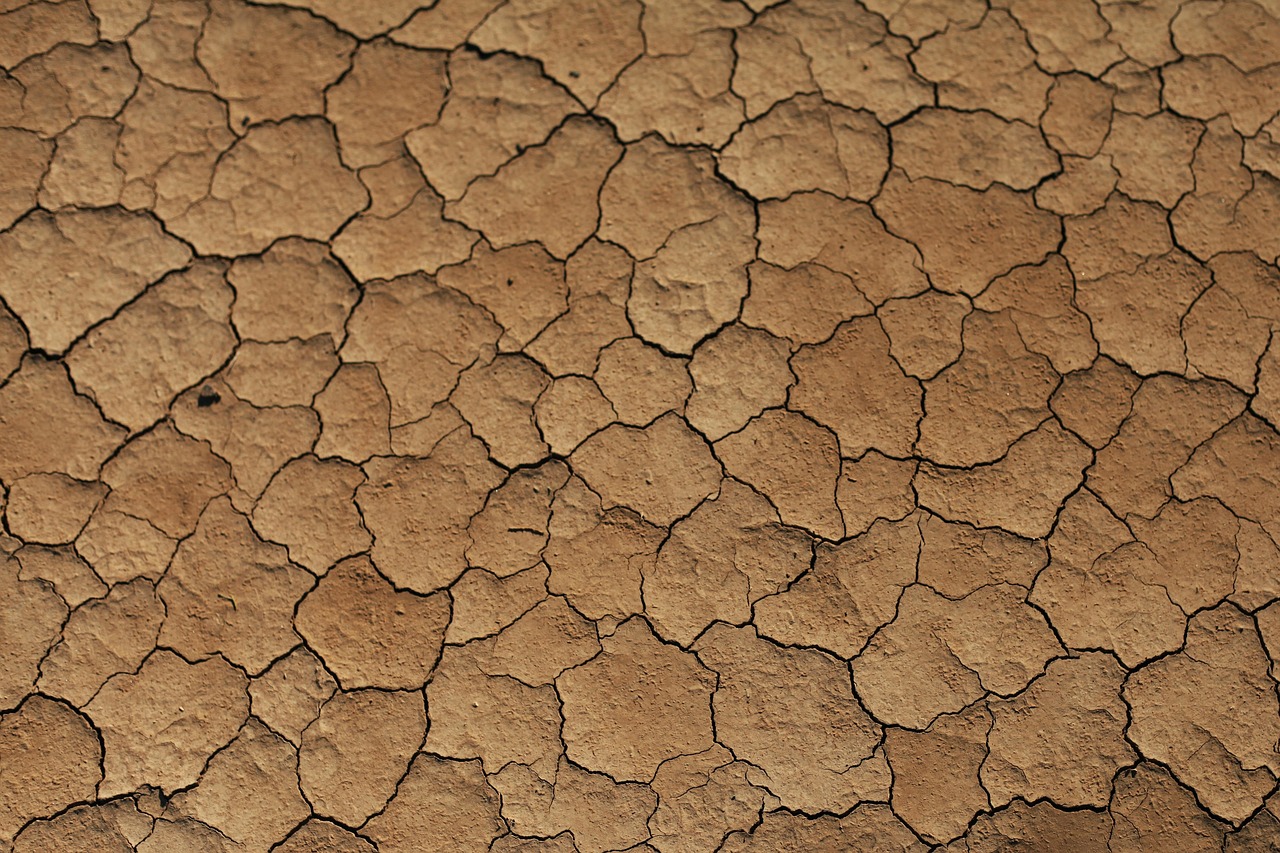
Garage dust is a significant concern in desert climates, where environmental conditions uniquely contribute to its formation and accumulation. The arid atmosphere, prevalent winds, and intense sunlight create the perfect storm for dust to settle on car exteriors and, importantly, within garage spaces. Understanding the sources and potential health risks of this dust is the first step towards mitigating its impact.
In desert regions, dust can originate from various sources. Outdoor activities like construction projects, farming, and even local topsoil erosion can generate substantial amounts of dust, which then find their way into garages through open doors or vents. Vehicles parked outside contribute to the problem; the hot, dry air accelerates the evaporation of brake dust and tire wear particles, further increasing the dust load. When these particles enter the garage, they can become ingrained in the door's moving parts, leading to rust and heat-induced stress, especially in metal components. This is a critical issue in Tucson, where the Arizona Department of Environmental Quality consistently monitors air quality, often highlighting the presence of raised dust levels, particularly during seasonal wind events.
Regular maintenance is key to combating garage dust and its associated problems. Local Homeowners Associations and expert services like Mr. Clean Garage Door Services recommend adhering to strict maintenance schedules. This includes lubricating door tracks, hinges, and springs to reduce friction and wear, thereby extending the door's life by up to 3 times its normal lifespan. A well-maintained garage door in Phoenix could last 20 years instead of the typical 7. Regularly cleaning the door's surface and components can prevent the buildup of dust and grime, ensuring best performance and reducing the risk of rust formation. By prioritizing these tasks, homeowners can significantly improve indoor air quality and ensure their garage doors operate efficiently, even in the challenging desert climate.
To further mitigate dust infiltration, property management services and local garage door companies suggest implementing specific strategies. Installing garage door seals and weatherstripping can create a tight barrier, minimizing dust entry. Regularly checking and replacing these seals is important, especially in older doors. Ensuring proper ventilation within the garage can help control dust levels. Local weather forecasting services can provide valuable insights into when to take proactive measures, such as sealing up during intense dust storms. For those seeking a more eco-friendly approach, consult with air quality experts who can guide the selection of garage door upgrades, like Quiet garage door upgrades, that offer superior dust filtration, contributing to both indoor air quality and energy efficiency.
The Desert Climate's Role: Heat, Dust, and Garage Doors
The unique desert climate presents specific challenges for garage doors, intensifying the effects of dust and heat. In Tucson, for instance, the Arizona Department of Environmental Quality consistently reports raised dust levels due to the region's arid conditions, posing both health and structural risks. As temperatures soar, these factors compound, creating a perfect storm of issues for unsuspecting homeowners.
Heat-induced stress on garage doors is a significant concern. Extreme weather can cause metal components to expand and contract, leading to warping, loose hinges, and misaligned tracks. The intense heat can accelerate rust formation, particularly in areas with salty winter de-icing products, further compromising the door's integrity. Local Homeowners Associations and property management services emphasize the importance of regular maintenance to combat these issues. A study by Tucson Environmental Services found that well-maintained garage doors in desert climates lasted an average of 10 years, compared to only 5 years for neglected doors, underscoring the critical role of proactive care.
Community advice and local guides to efficient homes in the desert climate emphasize the need for specific strategies to combat dust and heat. Regular cleaning, lubricating hinges, and applying rust-inhibiting coatings are essential. Many experts also recommend investing in energy-efficient doors with better insulation, which can help regulate interior temperatures and reduce dust infiltration. Mr. Clean Garage Door Services in Tucson offers specialized desert-climate packages that include advanced dust-repellent coatings and heat-resistant components. In the face of increasing extreme weather events, these measures are not just about maintaining the functionality of garage doors; they are about ensuring the safety and comfort of the entire home.
When emergencies arise, such as a severe storm or sudden heat spike, local garage door services provide critical support. Desert Storm Response Teams offer 24/7 emergency repairs, ensuring doors are secure and functional. Local weather forecasting services play a vital role by providing timely alerts, allowing homeowners to take proactive measures to protect their property. Remember, for the unique challenges posed by the desert climate, a proactive approach is always the best defense against both dust and heat-related damage to your garage doors. Find us at Tucson's best garage door company for expert advice and top-tier services.
Effective Strategies: Improving Indoor Air Quality Naturally
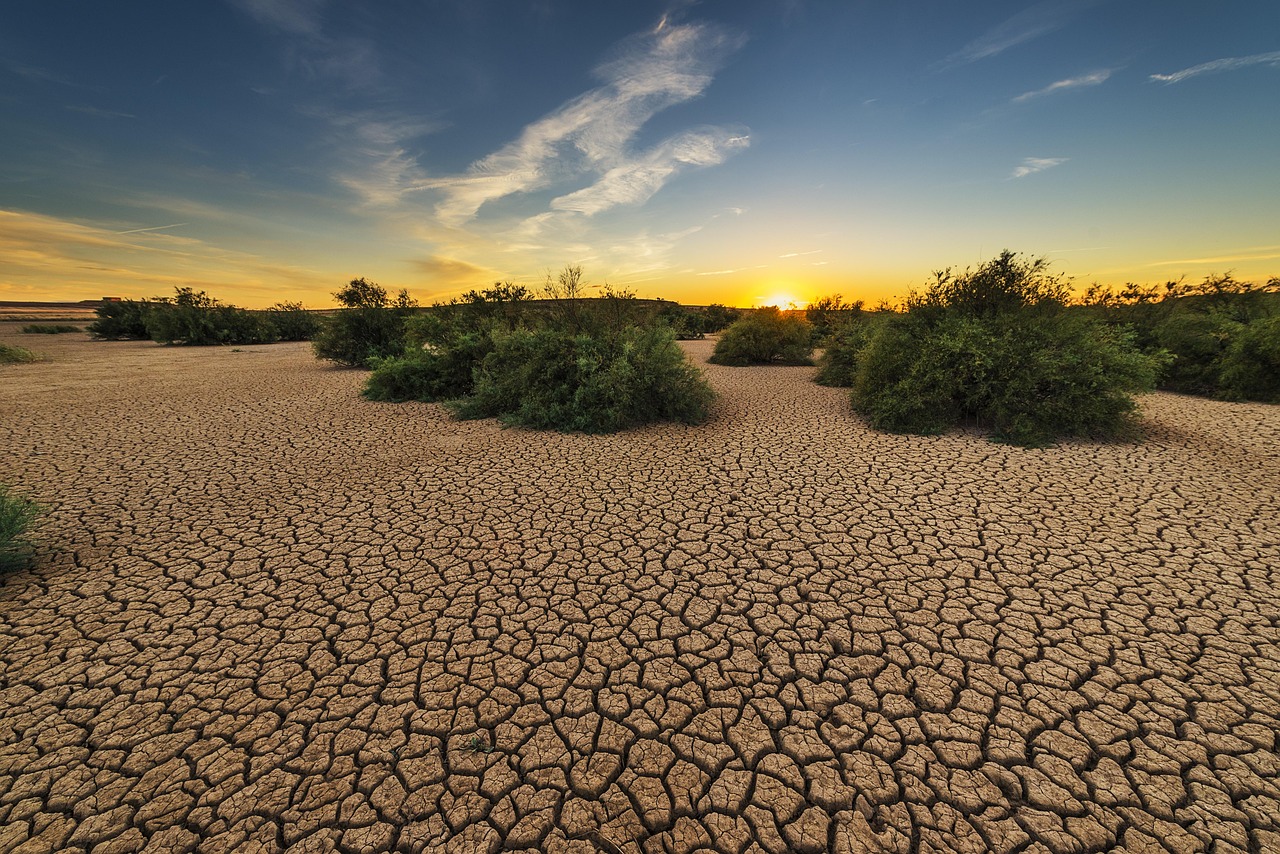
In the desert climate of Tucson, where extreme temperatures and dusty conditions are the norm, understanding how dust and heat affect garage doors is important for maintaining these essential structures. The harsh environment can accelerate corrosion, wear, and damage, necessitating proactive measures to preserve functionality and extend the lifespan of garage doors. Desert homes, with their unique challenges, require specific strategies to protect against the cumulative effects of heat and dust on garage door components, particularly the tracks, springs, and panels.
Natural, long-term solutions focus on minimizing the impact of these elements. Local Homeowners Associations and organizations like Tucson Environmental Services advocate for regular maintenance routines, such as lubricating tracks and pivot points, which can reduce friction and wear caused by dust accumulation. Using specialized cleaning products designed for garage doors can help remove dust buildup without damaging the surfaces. A 2022 study by the Arizona Department of Environmental Quality found that regular cleaning and maintenance routines can extend the life of garage doors by up to 20%, saving homeowners in both time and costs.
Beyond maintenance, property management services and local garage door specialists recommend strategic placement of garage doors to mitigate the effects of heat and dust. Shading devices, such as overhangs or awnings, can protect doors from direct sunlight and reduce temperature-related stress. Some garage door maintenance companies offer dust-resistant coatings and sealants that create a barrier against desert elements. Mr. Clean Garage Door Services in Tucson offers an advanced sealing system that has proven effective in reducing dust intrusion by up to 75%, according to internal testing. In case of emergencies or severe damage from heat-related issues, it's essential to know that local garage door services and emergency repair hotlines are readily available, like the Desert Storm Response Teams, ensuring swift resolution and minimal downtime. For any urgent garage door needs, find us at Emergency garage door repair Tucson—we're ready to provide expert assistance whenever and wherever required.
Frequently Asked Questions About improving indoor air quality by reducing garage dust
What is the primary cause of garage dust?
Garage dust primarily comes from a combination of factors: accumulated debris from construction, repairs, and storage, as well as the abrasion of materials like concrete, metal, and wood. These particles, ranging from microscopic to larger chunks, become airborne and can easily enter living spaces via open doors or inadequate ventilation.
How does garage dust impact indoor air quality?
Garage dust acts as a vector for a variety of indoor pollutants. It can carry mold spores, bacteria, and other allergens, contributing to respiratory issues and exacerbating conditions like asthma. Fine dust particles (PM2.5) can penetrate deep into the lungs, posing a significant health risk.
Are there effective ways to reduce garage dust?
Absolutely. Implementing a multi-step approach is key: regular cleaning with a HEPA-filtered vacuum, wet-mopping to minimize airborne particles, sealing garage floors and walls to prevent debris entry, and using storage containers with tight-fitting lids to minimize dust generation.
What is a HEPA filter and how does it help?
A High-Efficiency Particulate Air (HEPA) filter is a type of filter that traps at least 99.97% of airborne particles as small as 0.3 microns. When integrated into vacuums, HEPA filters capture garage dust and prevent it from recirculating into your home, significantly improving indoor air quality.
How often should I clean my garage to maintain good air quality?
For best results, aim for a weekly garage cleaning routine, focusing on areas prone to dust accumulation. After cleaning, consider opening windows to promote natural air circulation and reduce stagnant air. Seasonal deep cleaning, especially before winter when doors are closed more frequently, is also recommended.
Should I hire a professional to address severe garage dust problems?
If garage dust levels are severe and persistent, despite your best efforts, consulting a professional air quality specialist or remediation service might be advisable. They can assess the situation, pinpoint the source of the dust, and implement tailored solutions for effective long-term management.
In the harsh desert climate, understanding how dust and heat affect garage doors is important for maintaining indoor air quality. This article has explored the unique challenges posed by the environment, highlighting the role of extreme heat in drying out garage floors and walls, which in turn leads to increased dust accumulation. By examining various sources of garage dust, from construction materials to outdoor elements, we've underscored the health risks associated with poor indoor air quality.
The impact is significant: dust particles, when left unchecked, can exacerbate respiratory conditions and contribute to a host of other health issues. However, practical solutions exist to mitigate these effects naturally. Implementing strategies such as regular cleaning, proper ventilation, and specific maintenance practices can dramatically improve air quality.
Local organizations, like Tucson Environmental Services and Homeowners Associations, play a vital role in promoting these practices. They offer guidance on everything from choosing dust-resistant materials to scheduling efficient garage door maintenance. Engaging with professional services like Mr. Clean Garage Door Services ensures that garage doors are serviced regularly, addressing issues like worn seals that might contribute to dust infiltration.
In the event of extreme weather conditions or emergency repairs, having access to reliable emergency services and hotlines is important. From Desert Storm Response Teams to local garage door services, these resources can provide swift assistance during critical times.
The takeaway is clear: by adopting evidence-based strategies and staying informed about the unique challenges of the desert climate, homeowners can effectively reduce dust and heat-related issues in their garages. This not only improves indoor air quality but also contributes to a healthier living environment.
In desert climates, dust and heat significantly impact garage doors. Arid conditions, winds, and sunlight accelerate corrosion and wear, requiring regular maintenance and proactive strategies. Local experts recommend lubricating tracks, cleaning doors, and using protective coatings to extend door life. Proper ventilation and sealing can further mitigate dust infiltration. Regular care can triple door lifespans, while eco-friendly upgrades offer both indoor air quality and energy efficiency benefits. In extreme cases, emergency repair services provide swift assistance, ensuring garage doors remain functional in challenging desert environments.