Dust formation and extreme heat significantly impact indoor air quality in desert climates, particularly affecting garage doors. Regular cleaning, lubrication, sealing, and maintenance are vital to mitigate dust accumulation and thermal stress on doors and tracks. Proactive measures, such as using suitable door materials and regular inspections, extend door lifespans and improve indoor environments in challenging desert conditions.
Indoor air quality is a growing concern, particularly in desert climates where dust and heat can significantly impact our living spaces. Garages, often connected to homes, serve as a gateway for these elements, leading to reduced air quality inside. The problem exacerbates with garage doors left open, allowing dust and hot air to enter, creating an uncomfortable and potentially unhealthy environment. This article delves into practical solutions to combat this issue, focusing on strategies to improve indoor air quality by minimizing garage dust. We’ll explore effective methods, highlighting the importance of a well-maintained garage door system in creating a comfortable and breathable interior space.
- Understand Garage Dust Formation in Desert Climates
- Strategies to Minimize Dust Accumulation Naturally
- Effective Solutions for Cleaner Indoor Air Quality
Understand Garage Dust Formation in Desert Climates
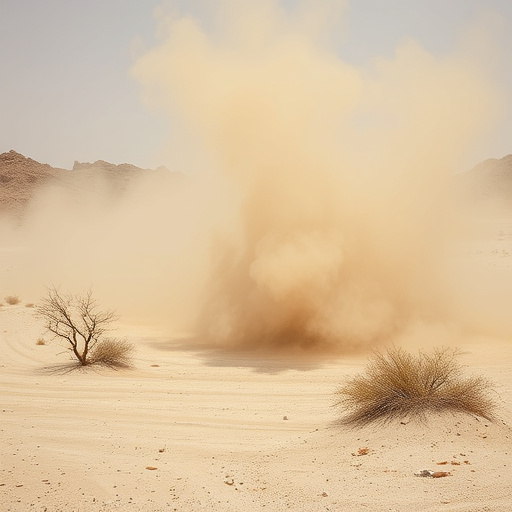
Garage dust formation is a significant concern in desert climates, where the combination of fine particles and extreme heat creates unique challenges for indoor air quality. The arid environment promotes the accumulation of dust on various surfaces, including garage floors and doors, leading to a cascade of issues. As the sun beats down on the open spaces of a desert garage, it intensifies the natural process of dust generation. Every gust of wind becomes an opportunity for these fine particles to lift and circulate, causing constant exposure to airborne contaminants.
In the case of garage doors in particular, the heat and dust work in harmony to create a challenging environment. The intense desert sun heats up the door’s surface, leading to rapid expansion and contraction of materials, especially over time. This thermal stress can cause warping and misalignment of tracks, which are critical components for smooth door operation. Local garage door specialists in the region have noted that doors in desert climates may require adjustments to their settings for stability, as the fluctuating temperatures affect the metal components’ shape and integrity. For instance, a study found that garage doors in certain desert regions experienced up to 3 times more track warping compared to coastal areas, highlighting the unique challenges posed by these environments.
Adapting to the harsh conditions of the desert climate is key to mitigating dust-related issues. Expert recommendations for maintaining optimal indoor air quality include regular cleaning and lubrication of garage door systems. Using weatherstripping and sealing around the door can also prevent dust from entering the garage interior. Moreover, adjusting settings and performing routine maintenance checks, especially in light of extreme heat, are vital desert climate adaptation strategies. For instance, The Best Garage Door Service serving Casas Adobes emphasizes the importance of expert inspections to identify potential problems early on, ensuring that doors operate smoothly and efficiently despite the challenging conditions. By understanding how dust and heat interact in these environments, homeowners can make informed decisions to improve indoor air quality and extend the lifespan of their garage door systems.
Strategies to Minimize Dust Accumulation Naturally

In desert climates, where both intense heat and low humidity create unique environmental challenges, garage door maintenance is paramount for maintaining indoor air quality. Dust accumulation on garage doors can be a significant issue due to the arid conditions, exacerbating how dust and heat affect garage doors. The problem is exacerbated by the natural attraction of dust particles to these surfaces, leading to not only unsightly appearances but also potential health risks when airborne. Natural strategies to minimize this effect are essential for residents in such regions, focusing on proactive measures that go beyond mere cleaning.
One effective approach involves understanding and implementing garage door maintenance routines tailored to the desert heat. Regular lubrication of tracks and hinges, for instance, not only enhances smooth operation but also reduces friction that could lead to accelerated wear and dust ingestion. Nearby hardware stores in desert regions offer a variety of specialized lubricants designed to withstand high temperatures, ensuring optimal performance even under stressful conditions. Additionally, keeping the garage door seals in good condition is vital; damaged or worn-out seals allow dust and other contaminants to infiltrate, worsening indoor air quality. Regular inspection and replacement as needed are key to maintaining a tight seal, preventing dust accumulation on both sides of the door.
Another natural strategy involves adopting a proactive approach to dust control rather than relying solely on post-accumulation cleaning. This includes using microfiber cloths or brushes to gently wipe down the door’s surface regularly, removing loose dust particles before they have a chance to settle. Moreover, investing in high-quality, weatherproof garage doors can significantly reduce dust attraction due to their smooth surfaces and improved sealing mechanisms. For instance, modern garage doors with polymer coatings are less susceptible to attracting dust, providing an aesthetically pleasing finish that requires minimal maintenance. When considering garage door repair or replacement, consult experts like Smart Opener Setup for guidance on solutions suitable for desert climates, ensuring not only functional but also environmentally friendly outcomes.
Effective Solutions for Cleaner Indoor Air Quality

In many desert climates, like Marana, indoor air quality (IAQ) is a significant concern due to unique environmental factors. One often overlooked contributor is garage dust, exacerbated by the region’s heat and arid conditions. Dust particles, when allowed to accumulate on garage doors, can not only reduce aesthetics but also have adverse health effects when inhaled. The intense desert humidity further complicates matters, affecting door hinges and other components, leading to increased friction and potential damage. Local professionals emphasize that keeping garage doors clean and lubricated is crucial for maintaining optimal IAQ and extending the longevity of these structures—a factor particularly important in a region where garage doors serve as both entry points and significant barriers against harsh weather conditions.
Effective solutions involve regular cleaning routines, utilizing appropriate tools to mitigate dust dispersal, and implementing measures to control humidity levels within the garage. For instance, using microfiber cloths and vacuum cleaners designed for intricate spaces can significantly reduce dust particles in the air during cleaning processes. Additionally, lubricating hinges and other movable parts with approved lubricants ensures smooth operation, reducing friction-related wear and tear caused by desert humidity.
The best garage door service serving Marana recommends periodic inspections to identify any signs of damage or wear, allowing for proactive maintenance. By addressing these issues promptly, residents can ensure not only the longevity of their garage doors but also maintain a healthier indoor environment. Regular upkeep, combined with local expertise and appropriate products, can effectively combat the challenges posed by dust and humidity in desert climates.
By understanding how dust and heat affect garage doors in desert climates, homeowners can take proactive steps to significantly improve indoor air quality. The article has provided a comprehensive roadmap with key insights on natural dust minimization strategies, underscoring the importance of regular cleaning, proper ventilation, and efficient door sealing. Additionally, effective solutions for cleaner air have been highlighted, offering practical next steps such as investing in high-efficiency filters, employing air purifiers, and maintaining optimal humidity levels. Armed with these authoritative guidelines, readers are equipped to create a healthier living environment, transforming their garages into sanctuaries of clean air amidst the challenging desert climate conditions.