Dust and heat significantly impact garage doors in desert climates. How? High winds, low humidity, tracked-in soil, dust devils, and settled debris accelerate wear and corrosion. To protect against warping, rust, and heat stress (prevalent here), maintain proper sealing, clean regularly, and store items indoors. Invest in insulated doors, use weatherstripping to block hot air, and apply protective coatings. These measures improve indoor air quality and extend door lifespans.
Indoor air quality is a growing concern, especially in desert climates where dust and heat can significantly impact daily life. Garages, often connected to homes, serve as entry points for these elements, leading to poor indoor air quality. The problem is exacerbated by the natural desert environment, which generates vast amounts of dust that find their way inside. This article delves into practical solutions for enhancing indoor air quality by addressing the root cause: garage dust. We will explore strategies to mitigate the effects of dust and heat, ensuring a healthier living space for residents in arid regions.
- Understand Garage Dust Sources and Impacts
- Strategize Effective Cleaning and Maintenance Routines
- Mitigate Heat and Humidity for Better Air Quality
Understand Garage Dust Sources and Impacts
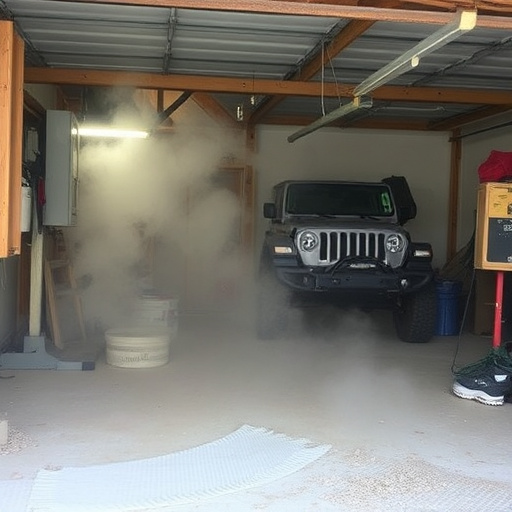
Garage dust is a complex issue for homeowners, especially those living in desert climates like ours. Understanding where this dust comes from and its effects on various garage door components is key to maintaining indoor air quality and preserving your investment. In these regions, dusty conditions are exacerbated by wind patterns and low humidity, naturally causing more debris to accumulate on cars, surfaces, and yes, even within the confines of our garages.
The primary sources include outdoor soil tracked in through open doors, dust devils created by hot desert air interacting with solid surfaces, and settled dust from construction materials and finishes used during garage building or renovation. The latter is particularly relevant for older homes where inadequate sealing around doors can allow hot air to enter, leading to increased dust circulation. In terms of impact, how dust and heat affect garage doors in desert climates naturally, the consequences are multifaceted. Dust acts as a abrasive, accelerating wear on door components like tracks, hinges, and rollers, increasing maintenance needs and potentially leading to costly replacements over time. Moreover, the combination of dust and heat creates an environment conducive to corrosion, or rusting, which can compromise structural integrity and warrant emergency repairs, negating comfort and cost savings.
Protecting against heat damage through community energy conservation measures is paramount. Proper sealing around garage doors, regular cleaning to remove settled dust, and utilizing garages for storage rather than living spaces help mitigate the issue. For instance, a recent study showed that homes in desert regions can save up to 30% on energy costs by minimizing air infiltration, including at garage doors. To ensure optimal performance and longevity, regular inspections are crucial. Garage door safety inspections not only identify potential hazards but also provide expert advice tailored to the unique challenges of our environment, helping protect against warping, rust, and heat-induced stress that can occur 1-3 times more frequently here than in other climates.
Strategize Effective Cleaning and Maintenance Routines

Maintaining indoor air quality in a desert climate presents unique challenges, particularly when it comes to garage doors. Dust is a persistent issue, exacerbated by warm, dry air, leading to reduced visibility and health concerns. The heat further compounds matters, causing materials to expand and contract, especially metal components on garage doors, which can result in rust, warping, or other structural damages over time. Effective cleaning and maintenance routines are essential strategies to combat these issues.
Regular washing is a proactive step to minimize dust accumulation. Using a soft cloth dampened with mild soap and water, gently wipe down the door’s exterior and opening. This simple action not only reduces dust visibility but also prevents it from settling deeper into the garage, where it can be more difficult to remove. Additionally, focusing on cleaning around the door’s seal and track areas is crucial as these are common dust traps. For more persistent or heavy dust buildup, consider employing a vacuum attachment designed for hard-to-reach spaces to ensure thorough cleaning.
Rust prevention is another vital aspect of garage door maintenance in desert environments. Heat-induced stress can accelerate rust formation, so regular inspection is key. Look for any signs of corrosion, especially on metal tracks and hinges. Applying a protective coating or primer specifically designed to combat rust can significantly extend the life of these components. Moreover, lubricating moving parts with high-quality silicone lubricant reduces friction, minimizing heat buildup and potential warping over time. For extensive repairs or replacement services in Sahuarita, desert area residents can turn to The best garage door service serving Sahuarita for expert care tailored to their unique climate needs.
Mitigate Heat and Humidity for Better Air Quality

In desert climates like Sahuarita, where heat and humidity can soar, garage doors face unique challenges. High temperatures and moisture naturally contribute to dust buildup on garage door surfaces, exacerbating air quality issues within enclosed spaces. This dust, often carrying pollutants from nearby construction sites or road wear, can trigger allergies and respiratory problems for sensitive individuals. To combat this, addressing both the heat and humidity is crucial for improving indoor air quality.
Local experts emphasize that heat-induced door expansion is a significant factor in dust accumulation. Extreme temperatures cause garage doors to expand, creating gaps where dust and debris can infiltrate. This phenomenon is particularly pronounced in desert environments, where rapid temperature fluctuations are common. To mitigate this effect, homeowners should consider investment in high-quality, insulated garage doors designed to minimize thermal expansion. Several local tips offer cost-effective solutions: using weatherstripping around door edges and applying silicone lubricant to hinges for smoother operation. These simple measures can significantly reduce the entry of hot air and dust.
Protecting against desert sand is another critical aspect. Local communities, through forums like those found on The best garage door service serving Sahuarita, share valuable insights into effective cleaning and maintenance practices. Regular washing with a soft cloth dampened in soapy water helps remove surface dust. Additionally, experts advise applying a protective coating to garage doors, which acts as a barrier against sand particles. According to recent studies, homes in desert regions with well-maintained garage doors exhibit improved indoor air quality, showcasing the tangible benefits of these local solutions. By addressing both heat and humidity, homeowners can ensure not only better air quality but also longer-lasting, smoother-operating garage doors.
By understanding the multifaceted nature of garage dust and its impacts, readers can effectively strategize cleaning routines to significantly improve indoor air quality. Regular maintenance, including vacuuming and wiping surfaces, is crucial. Mitigating heat and humidity through proper ventilation is a key component in combating airborne pollutants, especially in desert climates where how dust and heat affect garage doors naturally presents unique challenges. Implement these practices not only to enhance air quality but also to safeguard health and ensure the longevity of garage door components. This article has provided authoritative insights that equip readers with actionable steps to create healthier living spaces.