How Dust and Heat Affect Garage Doors in the Desert Climate: A Comprehensive Analysis
Introduction
In regions characterized by arid climates, such as deserts, the impact of environmental factors like dust and extreme heat on structural components like garage doors assumes paramount importance. This article delves into the intricate relationship between these elements and garage door functionality, durability, and overall performance. We will explore how dust and heat interact with various garage door materials, examine global trends and economic implications, analyze technological advancements, discuss regulatory frameworks, present real-world case studies, and finally, speculate on the future of this critical infrastructure element in desert environments. By the end, readers will gain a comprehensive understanding of the challenges and opportunities presented by these environmental factors to garage doors in arid landscapes.
Understanding the Impact: Dust and Heat in Desert Climate Conditions
Definition and Core Components
The effect of dust and heat on garage doors in desert climates revolves around the interaction of two primary forces:
-
Dust: Arid regions, by their nature, experience high levels of dust particles in the air. These particles can vary in size from microscopic to larger fragments. When these dust particles accumulate on garage door surfaces, they create friction and can lead to increased wear and tear on moving parts. Moreover, settled dust can insulate the door, affecting its energy efficiency.
-
Heat: Desert climates are characterized by scorching temperatures, often exceeding 100°F (37.8°C). Prolonged exposure to such heat can cause materials to expand, contract, and deteriorate faster than in milder environments. Heat also contributes to the degradation of lubricants, seals, and other components essential for smooth door operation.
Historical Context and Significance
The interaction of dust and heat on garage doors is not a new phenomenon, but its impact has gained significant attention as desert urbanization increases. Historically, early garage door materials like wood were susceptible to warping and cracking due to fluctuating temperatures and moisture (or lack thereof) in arid regions. With advancements in manufacturing, modern garage doors now incorporate various materials, each with its own unique resilience to dust and heat. Understanding these interactions is crucial for architects, engineers, homeowners, and maintenance professionals to ensure the longevity of this essential structural element.
Global Impact and Trends
The influence of dust and heat on garage doors is not limited to specific regions; it has global implications, with varying trends observed worldwide:
-
North American and European Perspectives: In developed nations like the United States and parts of Europe, where desert climates are less prevalent, the primary focus remains on energy efficiency and convenience. However, as urbanization extends into semi-arid regions, awareness of dust and heat resistance is increasing. Manufacturers are responding by offering a wider range of materials and coatings designed to withstand harsher conditions.
-
Middle East and North Africa (MENA) Region: This region, characterized by vast deserts, has long grappled with the challenges posed by dust and heat on infrastructure. As a result, there is a robust market for durable and low-maintenance garage doors. Manufacturers have adapted their products to meet these demands, leading to innovations in materials science and design.
-
Asia-Pacific: With rapid industrialization and urbanization, especially in China and India, the demand for garage doors is soaring. In these regions, cost-effectiveness and durability are primary concerns due to varying climatic conditions, including desert areas. This has led to a proliferation of affordable yet resilient door options.
Economic Considerations
The market dynamics surrounding garage doors in desert climates reflect a balance between functionality, aesthetics, and economic viability:
| Segment |
Key Factors |
Impact on Market |
| Material Choice |
Resistant to corrosion, heat expansion, and dust accumulation. |
Higher costs but longer lifespan, leading to increased demand in harsh climates. |
| Coatings and Finishes |
Protect against UV rays, rust, and wear. |
Additional cost but enhances curb appeal and reduces maintenance, attracting consumers. |
| Automation and Smart Features |
Integrate with home security systems, offer remote control, and enhance safety. |
Premium pricing but growing popularity due to convenience and advanced functionality. |
Investment Patterns
-
Homeowners: In desert cities like Las Vegas or Phoenix, homeowners invest in high-quality garage doors that can withstand extreme heat and dust storms. They prioritize energy efficiency and noise reduction, often opting for insulated doors with automatic openers.
-
Commercial Property Developers: Commercial buildings in arid regions demand garage doors capable of handling heavy traffic and harsh environmental conditions. This often translates to investments in durable, low-maintenance steel or aluminum doors.
-
Government and Municipal Bodies: Public infrastructure projects in desert areas require robust garage door solutions for schools, government buildings, and parking structures. Cost-effectiveness and long-term durability are primary considerations.
Technological Advancements
Technological innovations play a pivotal role in enhancing the performance of garage doors in desert climates:
-
Advanced Materials: Newer alloys like high-strength aluminum and stainless steel offer superior corrosion resistance, enabling doors to withstand harsh environments without compromising aesthetics or functionality.
-
Smart Sensors and Automation: Integrating sensors for temperature, humidity, and dust levels allows automated adjustments to door operation, improving energy efficiency and reducing wear.
-
Improved Lubrication Systems: Advanced lubricants designed for high-temperature applications ensure smooth operation of hinges and other moving parts, delaying the need for maintenance.
-
Self-Cleaning Coating Technologies: Innovations like photocatalytic coatings can repel dust and automatically clean door surfaces, minimizing maintenance requirements.
Policy and Regulation
Regulatory frameworks governing garage doors in desert climates vary by region but generally aim to ensure safety, energy efficiency, and environmental sustainability:
-
Building Codes: Many cities have specific building codes that dictate minimum standards for garage doors, including resistance to wind loads, insulation requirements, and safety features like automatic reverse mechanisms.
-
Energy Efficiency Standards: To combat the heat island effect in urban areas, regulations often mandate insulated garage doors, promoting energy conservation.
-
Environmental Guidelines: Some regions have guidelines addressing the disposal and recycling of old garage door materials, particularly steel, to minimize environmental impact.
Challenges and Criticisms
Despite advancements, several challenges persist in the realm of desert climate garage doors:
-
Initial Cost: High-quality, resilient garage doors with advanced features can be expensive, deterring some homeowners or developers from investing.
-
Maintenance Requirements: Even with improved technologies, regular maintenance is still necessary to ensure optimal performance and longevity. This includes cleaning, lubrication, and replacement of worn parts.
-
Limited Accessibility to Advanced Technologies: In remote areas, access to cutting-edge materials and automated systems may be limited due to supply chain constraints or high transportation costs.
Proposed Solutions:
-
Incentivize Adoption: Governments can offer tax incentives or subsidies for homeowners installing energy-efficient, resilient garage doors.
-
Educational Campaigns: Awareness programs can highlight the long-term benefits of investing in quality garage doors, encouraging proactive maintenance practices.
-
Local Supply Chain Development: Encouraging local manufacturing and distribution networks for advanced door materials can improve accessibility and reduce costs.
Case Studies: Successful Applications
Case Study 1: Smart Garage Doors in Dubai
Dubai, known for its extreme desert climate, has pioneered the adoption of smart garage doors. A leading real estate developer implemented a project using advanced aluminum doors equipped with integrated sensors and automated operators. These doors not only withstand high temperatures but also adjust opening angles to optimize airflow, reducing energy consumption. The system’s connectivity allows remote monitoring and control, enhancing security. This project has set a new standard for residential garage door technology in the region.
Case Study 2: Durable Steel Doors in Australia’s Red Center
In the heart of Australia’s desert, the town of Alice Springs required a robust solution for its communal parking structure. Local authorities specified heavy-duty steel doors with high-performance coatings to resist corrosion and extreme heat. The project’s success lies in its long-term durability, reduced maintenance costs, and improved safety features, including an automatic fire suppression system integrated into the door mechanism.
Future Prospects: Emerging Trends and Growth Areas
The future of garage doors in desert climates is poised for significant growth and innovation:
-
Smart Home Integration: As the Internet of Things (IoT) continues to expand, garage doors will become increasingly connected, allowing seamless integration with home automation systems. Voice control, app-based access, and remote monitoring are expected to become standard features.
-
Sustainable Materials: There is a growing demand for eco-friendly materials that minimize environmental impact while maintaining durability. Recycled aluminum, plant-based composites, and biodegradable coatings are areas of active research.
-
Advanced Security Features: With the rise of remote work and online shopping, enhanced security will be paramount. Biometric access, integrated surveillance cameras, and advanced alarm systems will become more common.
-
Climate-Specific Designs: Customized door designs tailored to regional climates and aesthetics will gain popularity. These may include unique patterns, textures, and color options that both enhance curb appeal and perform well in specific desert environments.
Conclusion: A Crucial Component in Arid Landscapes
Garage doors, an often overlooked element of infrastructure, play a critical role in the functionality and comfort of buildings in desert climates. The interplay of dust and heat presents unique challenges but also drives innovation in materials science, automation, and design. As global urbanization continues to expand into arid regions, understanding and addressing these environmental factors will be essential for creating sustainable, resilient, and aesthetically pleasing urban environments.
Through technological advancements, regulatory frameworks, and thoughtful design choices, garage doors can become a defining feature of desert cities, offering both practical benefits and a sense of style that is uniquely suited to their harsh yet captivating landscapes.
FAQ Section:
Q: How do I choose the best garage door for my desert home?
A: Consider factors like climate suitability, energy efficiency ratings (e.g., R-value), material durability, and automatic opener capabilities. Consult with local experts or manufacturers to find products designed specifically for desert environments.
Q: Can dust accumulation on garage doors be harmful?
A: Yes, settled dust can act as an insulator, trapping heat and potentially leading to increased energy consumption. Regular cleaning is essential to maintain optimal performance and energy efficiency.
Q: How often should I maintain my garage door?
A: Perform visual inspections monthly and lubricate moving parts as needed. For heavy-use doors, consider semi-annual professional maintenance checks to ensure all components are in good working order.
Q: Are smart garage doors worth the investment?
A: Absolutely! Smart features offer convenience, energy savings, enhanced security, and remote control capabilities. While initial costs may be higher, the long-term benefits outweigh the investment, especially in regions with advanced automation and connectivity standards.
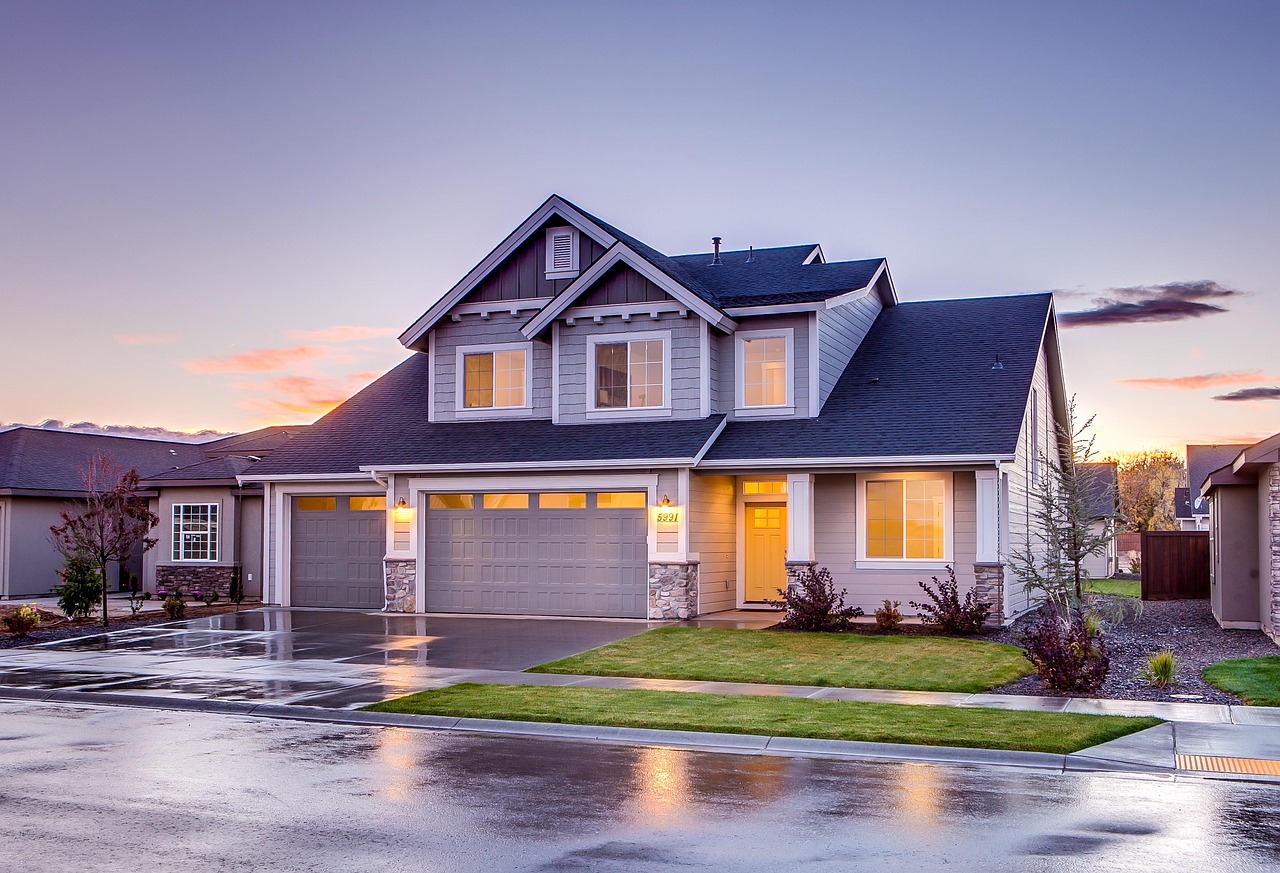
In the harsh desert climate, garage doors face unique challenges, with how dust and heat naturally affect them posing significant issues for both functionality and energy efficiency. Regular cleaning and sealing are essential to mitigate these effects, preventing debris buildup and heat transfer that can lead to increased energy costs and reduced door performance. This article delves into the most effective garage door filter and sealing options, providing homeowners and professionals with the knowledge to protect these critical components and ensure smooth, efficient operation year-round.
Understanding Garage Door Filters: Essential Components for Desert Climate
In desert climates, where hot days and fine sand are the norm, garage doors face unique challenges. Understanding how dust and extreme temperatures impact these structures is crucial for efficient door maintenance. The harsh desert environment can accelerate wear and tear on garage mechanisms, leading to potential damage if not addressed proactively. For instance, the constant exposure to sand can cause gear mechanism corrosion, reducing door longevity and functionality.
Garage door filters play a vital role in mitigating these effects. These essential components act as barriers against dust ingress, preventing fine particles from accumulating within the door’s intricate mechanisms. By trapping desert sand and other airborne debris, filters ensure smoother operation, prolonging the lifespan of the entire garage door system. Regular cleaning or replacement of these filters is key to maintaining optimal performance—a task that becomes increasingly critical with the rising temperatures experienced in hot desert regions.
Community awareness regarding this issue is growing. Homeowners are recognizing the need for proactive door maintenance, especially during extreme weather conditions. Custom Garage Doors Tucson, for example, has observed an increase in service requests from communities facing such challenges. Regular inspection and maintenance, including filter cleaning or replacement every 1-3 months, can prevent costly repairs. By staying ahead of dust and heat impacts, desert residents can ensure their garage doors remain reliable and efficient year-round.
Sealing Strategies: Protecting Against Dust and Heat in Hot Environments
In hot desert climates, garage doors face unique challenges. Dust and heat can significantly impact their performance and longevity, leading to problems like rust, paint discoloration, and reduced insulation efficiency. The harsh environmental conditions naturally accelerate wear and tear, making effective sealing strategies crucial. Without proper protection, garage doors can become a point of weakness in a home’s defense against the elements, leading to costly repairs or replacements.
Sealing garage doors in such environments involves a multi-faceted approach. First, consider high-quality weatherstripping that acts as a physical barrier against dust and moisture. This simple yet effective measure prevents debris from infiltrating the door’s interior, minimizing the risk of mechanical failures and maintaining the door’s aesthetic appeal. Additionally, utilizing advanced sealing compounds designed for extreme heat can significantly reduce the rate of heat transfer, keeping the garage cooler and lowering energy costs. For instance, silicon-based sealants have proven effective in desert regions, offering superior flexibility and resistance to extreme temperatures.
Local communities in desert areas often host events focused on home maintenance, where experts emphasize the importance of regular garage door inspections and sealing. Trusted local contractors, such as Track and Roller Repair, play a vital role in educating homeowners and protecting their investments. Regular maintenance, including sealing, is not just about extending the door’s life; it’s about safeguarding the overall health of the home. By addressing dust and heat concerns proactively, homeowners can ensure their garage doors remain functional, energy-efficient, and free from premature discoloration, ensuring their properties retain value.
Maintenance Tips: How to Extend Life Amidst Harsh Conditions
In harsh desert climates, garage doors face unique challenges that can significantly impact their lifespan and safety. Understanding how dust and extreme heat affect these structures is crucial for maintaining their optimal performance and preventing accidents or injuries. Dust accumulation on garage door tracks and mechanisms can lead to metal fatigue over time, causing parts to wear out faster. The intense heat naturally occurring in desert regions also exacerbates this issue by accelerating the deterioration of both mechanical components and sealants used for insulation. Regular maintenance is key to extending the life of your garage door amidst these conditions.
To mitigate these effects, it’s essential to implement specific cleaning and inspection routines. Remove dust buildup on tracks and gears at least once a month using compressed air or a soft brush. Check for loose or damaged parts, replacing them promptly to prevent metal fatigue from compounding. Ensure seals are in good condition, as compromised insulation can cause doors to heat up excessively, straining the entire system. A well-maintained garage door not only ensures smooth operation but also reduces energy costs by maintaining ideal indoor temperatures. For instance, a study found that proper sealing can cut down on cooling expenses by up to 15%.
Consider seasonal adjustments for optimal performance. In desert climates, extreme heat in summer may necessitate more frequent maintenance checks compared to cooler months. Give us a call at Same-day garage door repair for expert advice tailored to your region’s specific challenges. Proactive care can save you from costly repairs and ensure the safety of your family and property.
Understanding the impact of how dust and heat affect garage doors in desert climates is paramount for ensuring their longevity and optimal performance. By implementing effective sealing strategies, such as high-quality weatherstripping and robust seals, homeowners can significantly mitigate the detrimental effects of these environmental factors. Regular maintenance, including periodic cleaning and lubrication, is crucial to prevent debris buildup and friction, which can accelerate wear and tear. With these practical steps, residents can extend the lifespan of their garage doors, ensuring they remain reliable and efficient in challenging desert conditions. This article has provided essential insights, empowering readers to take proactive measures and safeguard their garage door investments.
In desert climates, dust and extreme heat significantly impact garage doors. These factors accelerate wear and tear, affecting mechanisms, insulation, and longevity. Regular cleaning, inspection, sealing, and maintenance are crucial to prevent damage and energy inefficiencies. Proactive care extends door life, ensures safety, and saves costs. Community awareness and expert advice tailor solutions for desert-specific challenges.