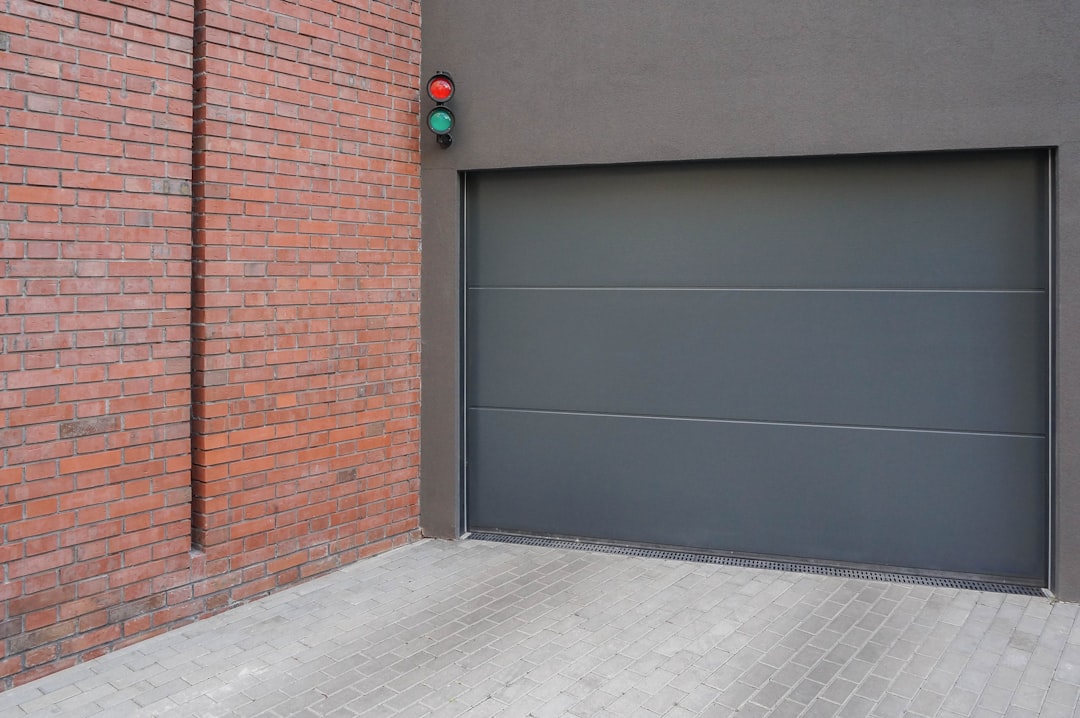
In the arid deserts, where temperatures fluctuate drastically between day and night, a seemingly minor issue can significantly impact comfort and energy efficiency: dust intrusion through garage gaps. Garage doors, often overlooked, act as a crucial barrier against not just intruders but also the elements, including how dust and heat naturally permeate these spaces. This article delves into the intricate challenges posed by desert climates on garage doors and offers practical solutions to keep both out, enhancing your living environment and optimizing energy conservation.
- Understanding Garage Door Gaps & Their Impact on Dust Entry
- Identifying Natural Entry Points: How Heat and Dust Affect Desert Garages
- Effective Solutions to Prevent Dust Infiltration in Hot Climates
Understanding Garage Door Gaps & Their Impact on Dust Entry
Garage doors, despite their primary function of protecting vehicles and homes from the elements, can present unexpected vulnerabilities, particularly in desert climates. Understanding the intricate dynamics between garage door gaps and dust intrusion is crucial for homeowners facing the unique challenges of arid environments. These gaps, often overlooked, act as silent conduits allowing not only air but also fine dust particles to enter, posing problems that extend beyond mere cosmetic concerns.
In desert regions, where temperature fluctuations can be extreme, how dust and heat interact with garage doors becomes a complex issue. Heat-expandable materials commonly used in door construction may contract or warp over time due to intense sunlight and high temperatures during the day, creating new gaps. These irregular openings then become highways for airborne dust, especially when wind patterns align. Regular cleaning isn't enough; such environments demand proactive strategies.
Local garage door specialists in desert climates have adapted by offering advanced sealing solutions tailored to mitigate dust entry. These include specialized weatherstripping and high-performance gaskets designed to create a tight seal around the door panel edges, effectively blocking dust particles. Moreover, regular maintenance checks and prompt repairs are vital. For instance, a simple replacement of worn-out weatherstripping can significantly reduce dust infiltration. Homeowners should also consider investing in energy-efficient garage doors, which often incorporate advanced sealing mechanisms to provide better protection against both heat transfer and dust accumulation.
When dust buildup becomes excessive, professional cleaning services specializing in desert climate adaptation can offer effective solutions. These experts use specialized equipment and techniques to thoroughly clean the door, removing embedded dust and preventing further damage. In extreme cases, or when doors exhibit signs of wear or malfunction due to heat-related issues, it's advisable to give us a call at Long-lasting garage door solutions for expert repair and replacement services. By staying proactive and informed about these desert climate adaptation strategies, homeowners can ensure their garage doors not only protect their properties but also stand the test of time in challenging environmental conditions.
Identifying Natural Entry Points: How Heat and Dust Affect Desert Garages
In desert climates, where temperatures fluctuate significantly between day and night, and humidity levels can vary widely, garage doors face unique challenges. This environmental dynamic can create natural entry points for dust and heat, posing issues for both garage door functionality and the overall comfort of your home. Heat and dust are not merely inconveniences; they can impact the performance and longevity of your garage door system, leading to costly repairs or premature replacement. For instance, in Tucson's arid environment, where sunny days are abundant, direct sunlight can cause excessive heat build-up inside the garage, leading to expanded metal components and potential warping of wooden tracks.
Dust, a common denominator across all desert regions, can accumulate on garage door components, affecting both its operation and aesthetics. As dust particles settle on the door's moving parts, such as hinges and rollers, they act as abrasives that can wear down these surfaces over time. This not only increases friction but also reduces the door's speed and responsiveness, potentially leading to safety hazards, especially if automatic operators are involved. For instance, a study by the local University of Arizona found that areas with high dust exposure experienced up to 30% more frequent garage door repair calls due to these very issues.
To prevent accidents and injuries associated with malfunctioning doors, as well as protect your investment, it's crucial to address these natural entry points for heat and dust. Trusted local contractors emphasize the importance of garage door insulation upgrades, a strategy that not only minimizes temperature fluctuations within the garage but also significantly reduces dust accumulation. By sealing gaps around the door and its components, these upgrades create a more controlled environment, ensuring your door operates smoothly and efficiently. Custom Garage Doors Tucson, for example, offers comprehensive insulation solutions tailored to desert climates, helping homeowners maintain a comfortable, safe, and secure space.
Effective Solutions to Prevent Dust Infiltration in Hot Climates
In hot desert climates, garage doors face unique challenges due to the extreme heat and dust prevalent in the environment. This combination can significantly impact door functionality and longevity, making it crucial to implement effective solutions for dust infiltration prevention. When dust gets under a garage door, it not only reduces its smooth operation but also poses issues for those with respiratory conditions. The intense heat can cause materials to expand and contract, leading to more frequent repairs or the need for replacement parts, especially in older doors. Regular maintenance is key to mitigating these effects.
One of the primary strategies involves ensuring proper sealing around the door. In desert regions, where sandstorms are common, sealing mechanisms must be robust and adaptable to keep out not just dust but also debris. Simple repairs like reapplying caulk or replacing worn-out weatherstripping can significantly reduce dust entry. For example, using high-quality, flexible sealants designed for outdoor use can prevent heat-related expansion issues, maintaining the door's effectiveness in extreme conditions. Regular inspection and immediate repair of any gaps create a robust defense against not just dust but also energy loss, as sealed doors keep cooling costs down during hot summers.
Additionally, considering replacement options for garage doors is essential. Modern, high-quality materials like vinyl or fiberglass are more resistant to heat expansion and contraction, offering better longevity in desert climates. These materials also provide superior insulation, reducing the need for frequent repairs due to temperature fluctuations. When maintaining functionality and ensuring a door's longevity becomes challenging, it might be time to consult with experts. For instance, Smart Opener Setup offers tailored solutions, providing guidance on the best repair or replacement strategies based on specific climate challenges. By prioritizing these measures, homeowners can keep their garage doors functioning optimally, minimizing dust intrusion and associated issues in hot climates.
Understanding how dust and heat affect garage doors in desert climates is key to maintaining a clean and healthy living space. By identifying natural entry points, specifically those created by temperature changes and drafts, homeowners can take proactive measures to prevent dust infiltration. The article has outlined effective solutions tailored for hot climates, emphasizing the importance of sealing gaps, using weatherstripping, and regularly maintaining garage doors. With these insights, residents can enhance their homes' air quality, reduce dust buildup, and ensure a more comfortable living environment. This comprehensive guide provides practical next steps for immediate action, empowering readers to take control of their indoor spaces.
Garage doors in desert climates face unique challenges from fluctuating temperatures and abundant dust. Heat can cause materials to expand and contract, creating gaps that allow dust entry, leading to functional issues and reduced door lifespan. Regular sealing maintenance, high-quality materials, and professional advice are crucial for protection. By addressing these factors, homeowners ensure smooth door operation, mitigate health risks, and extend the life of their garage doors in harsh desert conditions.