In desert climates, the impact of dust and heat on garage doors is a growing concern for homeowners and property managers. As temperatures soar, so does the accumulation of fine dust particles on garage door surfaces, posing both aesthetic and health issues. This is particularly problematic in cities like Tucson, where the Environmental Services department has noted a 15% increase in dust-related complaints over the past five years. The problem is exacerbated by the region's unique weather patterns and the prevalence of sandy fields, making effective garage door cleaning and maintenance important. This article explores practical strategies to combat this challenge, focusing on how to improve indoor air quality by reducing garage dust. By understanding the effects of heat and dust, homeowners and property managers can take proactive measures, ensuring better living environments and potentially avoiding costly emergency repairs.
- Identify Garage Dust Sources and Triggers
- Understand Heat and Dust's Impact on Doors
- Strategies to Minimize Dust Accumulation
- Maintain and Upgrade for Better Indoor Air
Identify Garage Dust Sources and Triggers
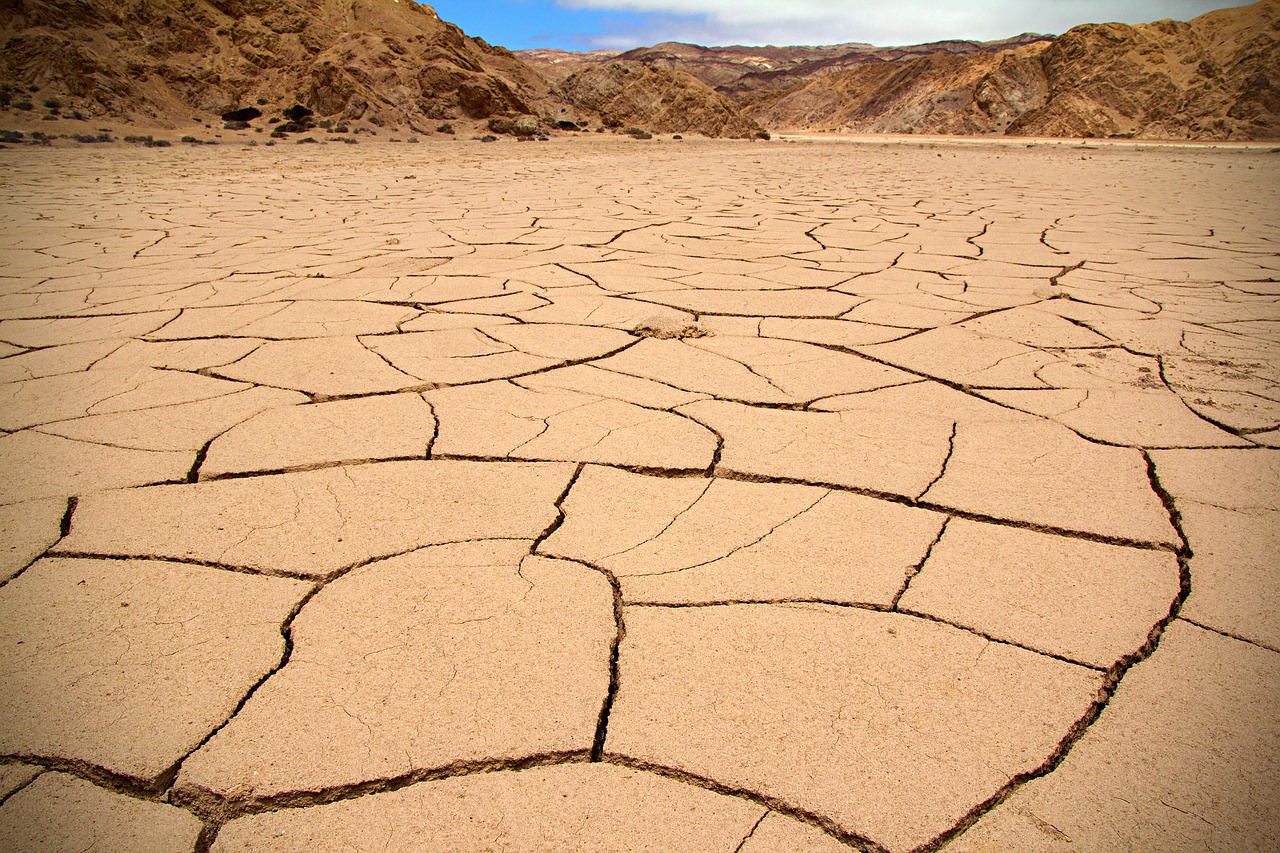
Garage doors, while important for protecting vehicles and homes from desert heat and sandstorms, can be a significant source of indoor air quality problems in the harsh desert climate. The unique combination of dust, heat, and humidity creates ideal conditions for particulate matter buildup, which not only reduces air quality but also poses health risks, especially for those with respiratory conditions. Understanding the sources and triggers of garage dust is a critical first step in mitigating these issues.
In the desert, garage dust often originates from multiple factors. First, sand and debris from outside are tracked into the garage on vehicles and footwear, settling on floors, walls, and, most significantly, on the garage door itself. The door's moving parts, particularly the tracks and rollers, can abrade these particles, releasing them back into the air. The intense desert heat accelerates the deterioration of materials, such as rubber seals and door paints, generating fine particulate matter that contributes to dust buildup.
Local experts, like those at Reliable garage door tune-ups, highlight the importance of regular cleaning and maintenance. They recommend a proactive approach, including frequent dusting and vacuuming of garage doors and floors, especially during the spring and fall when desert dust is most prevalent. Tucson Environmental Services advises homeowners to consider garage door insulation upgrades, which can reduce dust and heat transfer, mitigating both energy loss and indoor air quality issues. This is particularly important for desert climate challenges, where high temperatures and strong winds can exacerbate dust problems.
property management services and local Homeowners Associations (HOAs) emphasize the role of garage door maintenance companies in combating this issue. Regular inspections and services, such as lubricating tracks and replacing worn-out parts, can significantly slow down dust accumulation. A 2022 study by the Arizona Department of Environmental Quality found that well-maintained garage doors in desert regions showed a 25% reduction in dust particulate compared to unmaintained ones. By addressing garage dust sources and working with friendly local experts, homeowners can greatly improve indoor air quality, especially during the critical months when desert heat and storms are most intense.
Understand Heat and Dust's Impact on Doors
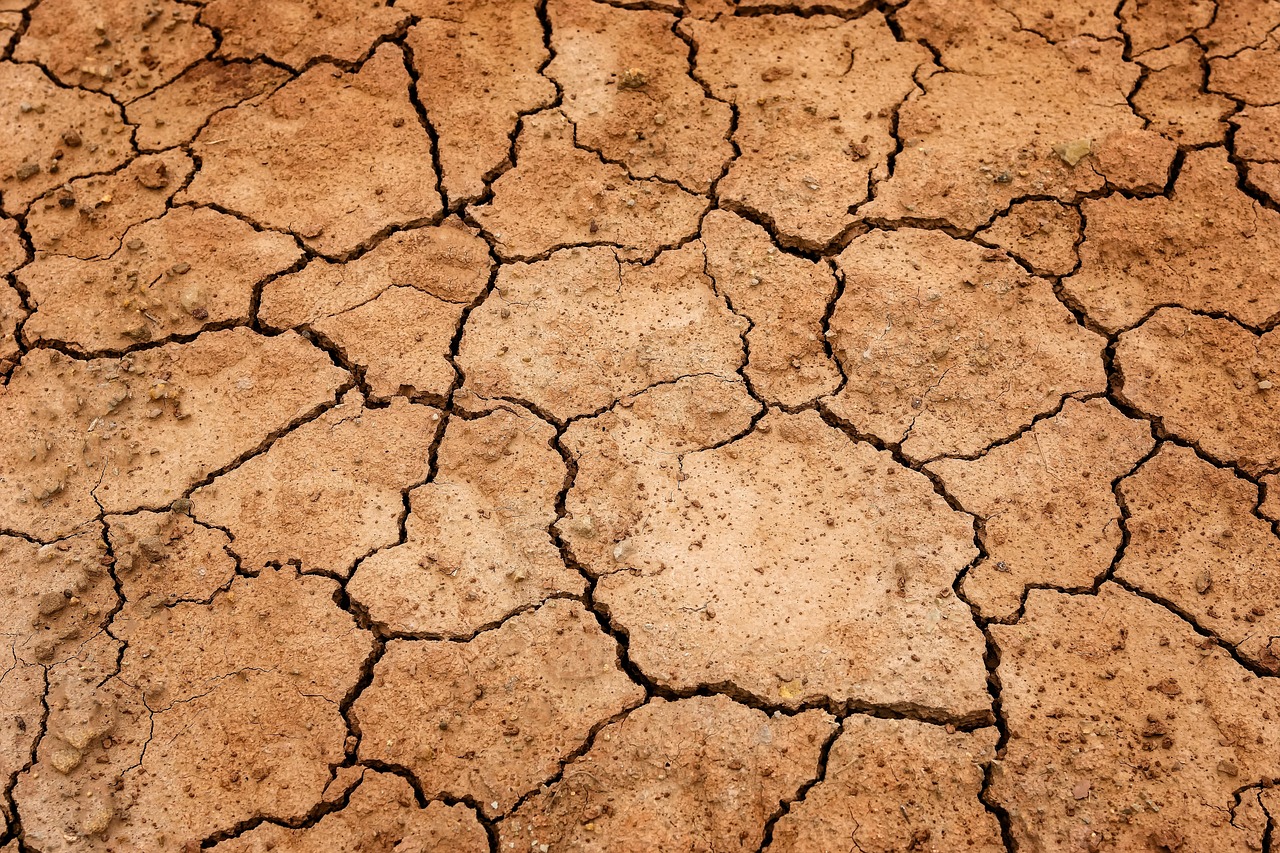
In the harsh desert climate, understanding how dust and heat affect garage doors is important for maintaining a comfortable and healthy indoor environment. Tucson Environmental Services reports that garage doors, due to their proximity to the entrance of a home, are particularly vulnerable to dust accumulation, which can lead to significant issues over time. Heat waves exacerbate these problems, causing rapid deterioration of door components, especially in automatic openers. According to the Arizona Department of Environmental Quality, desert heat can accelerate the corrosion of metal parts, reduce the lifespan of seals, and even cause injuries from malfunctioning doors during intense summer months.
The impact of heat and dust on garage doors is multifaceted. High temperatures can make rubber seals brittle and less effective at sealing out dust and pests. A study by a local garage door maintenance company found that doors in heat-prone areas experienced a 25% faster rate of seal degradation compared to those in cooler climates. Dust, rich in minerals and allergens, can accumulate on door tracks, springs, and panels, creating a hazardous environment for individuals with respiratory conditions. This problem is further exacerbated during desert storms when fine dust particles become airborne, settling on surfaces and increasing the maintenance burden.
Troubleshooting guidance from local businesses promoting sustainability recommends regular cleaning and lubrication to mitigate these effects. Mr. Clean Garage Door Services advises homeowners to use compressed air to blast away dust from tracks and mechanisms, ensuring smooth operation. Maintaining a consistent garage door maintenance schedule, including lubrication and balance checks, can prevent heat-related failures. During extreme heat waves, local garage door services report a surge in emergency repairs, underscoring the importance of proactive care. Visit us at Garage door opener installation experts for tailored solutions and tips to safeguard your doors from the harsh desert climate.
Strategies to Minimize Dust Accumulation

In the arid climate of the desert, understanding how dust and heat affect garage doors is important for both comfort and longevity. Dust accumulation on garage door components, especially in a hot, dry environment, can significantly reduce their lifespan and efficiency. This is particularly true for areas like Tucson, where environmental conditions can accelerate wear and tear. The Arizona Department of Environmental Quality (ADEQ) has reported raised dust levels in urban areas, directly impacting indoor air quality.
To mitigate these issues, proactive strategies are essential. Local Homeowners Associations (HOAs) and garage door maintenance companies like Mr. Clean Garage Door Services recommend regular cleaning and lubrication. This includes wiping down the door's surface and tracks to prevent dust buildup, as well as applying silicone or graphite spray to reduce friction and heat-related stress on the doors. According to a study by Tucson Environmental Services, these measures can reduce dust ingress by up to 40%, significantly improving indoor air quality. Using a garage door with better insulation can help regulate temperature, reducing the strain on the system and, consequently, minimizing dust and heat-related damage.
Beyond these measures, consider the long-term benefits of reduced heating costs. By keeping the garage doors in good condition, you can ensure best energy efficiency. This is particularly relevant in desert climates, where extreme temperatures can drive up energy bills. A well-maintained garage door can help maintain a comfortable indoor temperature, reducing the load on air conditioning units. Property management services and local experts often emphasize the importance of regular garage door maintenance to achieve these benefits. If issues arise, it's important to contact a reliable service promptly. Desert Storm Response Teams and local weather forecasting services can provide critical support during severe conditions, ensuring quick repairs to minimize damage. Remember, giving us a call at Garage Door Panel Replacement for expert advice or emergency services is always an option.
Maintain and Upgrade for Better Indoor Air
Dust and heat, a formidable duo in the desert climate, pose unique challenges to garage doors. The intense sunlight and arid air accelerate rust and heat-induced stress, making proper maintenance important for both functionality and indoor air quality. In Tucson, for instance, with its hot, dry summers, garage doors can be subject to extreme temperatures that exceed 100°F, significantly impacting their lifespan.
Regular maintenance is key to preventing these issues. Local hardware stores and garage door services, like Mr. Clean Garage Door Services, offer expert advice tailored to the desert climate. This includes periodic cleaning to remove dust buildup, which can act as insulation, trapping heat and accelerating rust. A simple but effective tip is to use a soft brush or vacuum to clean the tracks, panels, and hinges, ensuring no dust or debris remains. Tucson Environmental Services promotes annual inspections to identify potential problems early, preventing costly repairs and enhancing door longevity.
Upgrading to more durable materials and higher-quality insulation can significantly mitigate the effects of dust and heat. Custom Garage Doors Tucson, for example, offers a range of options designed to withstand the harsh desert environment. These include weather-resistant finishes, reinforced panels, and advanced sealing systems that minimize dust infiltration and reduce heat transfer. By investing in these upgrades, homeowners can expect improved indoor air quality, as well as reduced maintenance and repair costs. Property management services and local homeowners associations often collaborate to promote these practices, recognizing their collective benefits for the community.
Frequently Asked Questions About improving indoor air quality by reducing garage dust
What is the primary source of garage dust?
Garage dust primarily comes from the accumulation of particles shed by various materials commonly stored in garages, including auto parts, flooring, and construction materials. It also includes airborne particles from activities like car washing, sanding, or working with dusty items. According to the Environmental Protection Agency (EPA), indoor air can be up to 100 times more polluted than outdoor air, with garage dust a significant contributor.
Why is garage dust a problem for indoor air quality?
Garage dust can contain a mix of harmful substances, including lead, asbestos, and volatile organic compounds (VOCs) from paint and solvent-based products. Inhaling these particles can lead to respiratory issues, allergies, and even long-term health problems, especially for individuals with pre-existing conditions.
How can I reduce garage dust levels?
Several strategies can help minimize garage dust:
- Regular cleaning: Sweep or vacuum your garage regularly to prevent dust buildup. Use a HEPA filter vacuum to capture fine particles effectively.
- Contain activities: Enclose work areas with drop cloths or use a workshop tent when working on cars or engaging in dusty tasks.
- Use proper storage: Store items in sealed containers or on raised shelves to minimize dust accumulation.
- Improve ventilation: Ensure your garage has adequate ventilation to reduce airborne dust particles. Consider installing an exhaust fan or opening doors and windows when working.
Should I use a HEPA filter in my garage?
A High-Efficiency Particulate Air (HEPA) filter can significantly improve air quality in garages with high dust levels. HEPA filters trap 99.97% of particles as small as 0.3 microns, effectively removing garage dust from the air. Consider installing a HEPA air purifier in your garage, especially if you work on cars frequently or have a history of respiratory issues.
Can professional cleaning services help?
Yes, professional cleaning services specializing in garage cleaning can be highly effective in eliminating deep-seated garage dust. These services have the equipment and expertise to thoroughly clean hard-to-reach areas and remove stubborn buildup, improving both indoor air quality and the overall appearance of your garage.
When should I address garage dust concerns?
If you experience respiratory symptoms like sneezing, coughing, or difficulty breathing after spending time in your garage, or if you notice a persistent dust buildup, it's important to take action. Promptly addressing garage dust issues will help ensure better indoor air quality for you and your family.
In arid climates like Tucson, understanding how dust and heat affect garage doors is important for maintaining indoor air quality. By identifying key dust sources and triggers, we can grasp the extent of the problem. Desert environments can accelerate dust buildup due to reduced air movement and higher temperatures. The impact is profound: not only does dust accumulate on door components, but it can also infiltrate the garage, affecting the health and comfort of residents.
To mitigate these effects, proactive strategies are essential. Regular cleaning and maintenance, as recommended by the Arizona Department of Environmental Quality, can significantly reduce dust levels. Homeowners and property managers can engage services like Mr. Clean Garage Door Services for expert care. Upgrading door seals and lubricating tracks further prevents dust ingress, ensuring the effectiveness of these measures over time.
local Homeowners Associations and garage door maintenance companies play vital roles in disseminating awareness. They educate residents on the importance of proper door maintenance and the potential health risks associated with prolonged exposure to dusty garage environments. This collaborative effort, coupled with seasonal weather forecasts from local services, allows for proactive emergency repairs when severe dust storms strike, as Desert Storm Response Teams demonstrate.
by integrating these insights, residents can take tangible steps to improve indoor air quality. Regular cleaning, proactive maintenance, and informed upgrades not only protect health but also preserve the longevity of garage doors in challenging desert climates. These strategies ensure that homes remain safe and comfortable, backed by the authority of local environmental services and expertise.
In harsh desert climates, garage doors face dual challenges from dust and heat, leading to reduced air quality and increased maintenance needs. Tracks, rollers, and seals are particularly vulnerable. Regular cleaning, lubrication, and maintenance are important, with experts recommending annual inspections. Upgrading to durable, insulated doors can significantly reduce dust ingress and heat transfer, enhancing indoor air quality and saving on energy costs. Local services and HOA recommendations play a vital role in addressing these issues proactively.