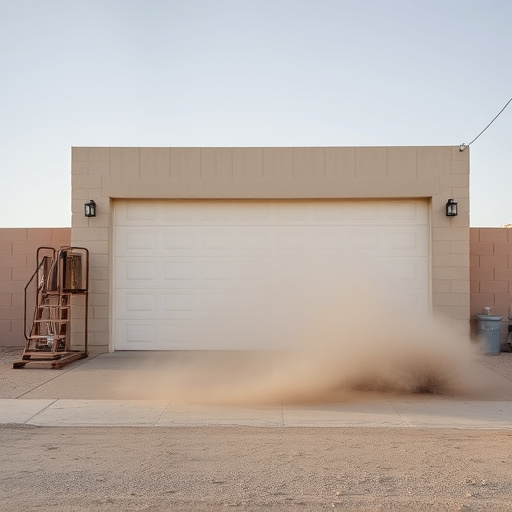
Desert climates pose unique challenges for garage doors due to how dust and heat affect them. Key issues include accelerated wear from debris, intense sunlight warping/rusting, reduced air quality, and structural degradation. Preventative measures are crucial: regular cleaning, detailed maintenance (e.g., washing, sealing), and investing in insulation to reduce heat transfer and minimize dust buildup. This lowers heating costs, improves indoor air quality, ensures smoother door operation, and fosters a healthier living environment. Proactive strategies like proper lubrication, sealing, and humidity control extend garage doors' lifespan, prevent costly repairs, and maintain optimal performance year-round.
Indoor air quality is a growing concern, especially in desert climates where dust and heat naturally permeate spaces. Garages, often poorly ventilated, become hotspots for particulate buildup, impacting not only the structural integrity of garage doors but also the health of those living nearby. This article delves into practical strategies to mitigate this issue, focusing on how reducing garage dust can significantly enhance indoor air quality. We’ll explore effective solutions tailored to desert environments, ensuring your space remains clean, safe, and comfortable.
- Understanding Garage Dust: Causes and Impact
- The Desert Climate: A Unique Challenge for Garages
- How Heat Exacerbates Dust in Garages
- Effective Strategies to Reduce Garage Dust
- Maintaining Healthy Air: Long-Term Solutions
Understanding Garage Dust: Causes and Impact
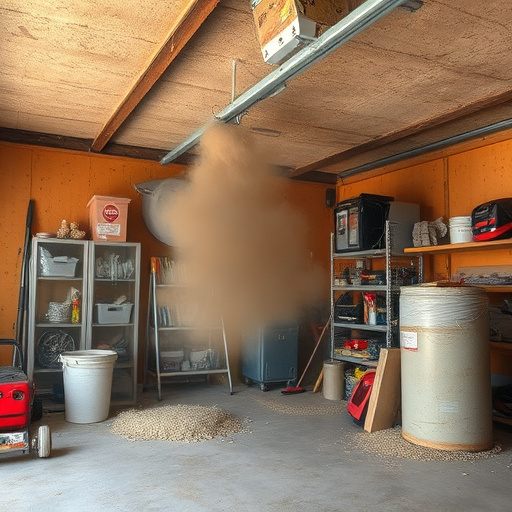
Garage dust is a significant concern for homeowners, particularly in desert climates where the combination of dust and heat can take a toll on garage doors. Understanding the causes and impacts of this issue is crucial to effectively improving indoor air quality and maintaining the integrity of your garage door system.
The primary culprits behind garage dust are environmental factors such as wind-blown debris and natural wear and tear. In desert regions, intense sunlight heats up surfaces, causing expansion and contraction in materials like wood and metal. This heat-induced stress can lead to warping or rusting, especially if the garage door isn’t properly insulated. For instance, a study by the Desert Research Institute found that areas with limited insulation experienced up to 30% higher indoor temperatures compared to well-insulated spaces, highlighting the importance of proper door insulation in mitigating heat transfer and dust accumulation.
Moreover, desert climates present unique challenges due to their arid nature. Dust particles are more prevalent and can penetrate deep into garage systems, affecting not only air quality but also the structural integrity of doors over time. Regular cleaning is essential, but preventing warping and rust, especially during hot seasons, requires proactive measures. One effective solution is door insulation, which acts as a barrier against heat transfer, reducing the risk of heat-related damage and minimizing dust buildup. By investing in quiet garage door upgrades that incorporate advanced insulation technologies, homeowners can enjoy reduced heating costs—up to 15-30% according to industry estimates—while also improving indoor air quality.
Local troubleshooting advice suggests focusing on detailed maintenance routines, including regular cleaning and inspection. Consider incorporating a routine of washing the door with mild soap and water to dislodge dust and dirt. Additionally, check for any signs of wear or damage, particularly around the door’s seals and hinges, as these areas are prone to accumulating dust and debris. For those seeking long-term solutions in desert climates, exploring garage door insulation options specifically designed to withstand extreme temperatures can be a game-changer. By addressing both the heat and dust factors, homeowners can ensure their garage doors operate smoothly, reduce heating expenses, and create a healthier indoor environment with improved air quality.
The Desert Climate: A Unique Challenge for Garages

The desert climate presents a unique challenge for garage doors, where extreme heat and elevated dust levels can lead to accelerated wear and tear. These conditions naturally affect garage door components, including rollers, tracks, and seals, potentially causing increased friction and reduced lifespan. Moreover, dust accumulation can attract pests and contribute to structural degradation over time. This is particularly concerning in communities with hot, arid climates where garage doors are often the least maintained parts of a home.
Locally, many residents turn to community forums for advice on garage door repairs in extreme heat. These platforms offer a wealth of knowledge shared among neighbors facing similar challenges. For instance, DIY enthusiasts often recommend regular cleaning and lubrication as essential maintenance practices. Using local resources like these can help homeowners protect against heat-related damage. Specific tasks include applying silicone grease to moving parts during cooler evenings to prevent excessive wear and wiping down doors with a damp cloth to minimize dust buildup.
Regular maintenance is crucial in the desert climate, with recommended checks every 3–6 months. This includes inspecting door seals for cracks or tears, ensuring tracks are free of debris, and lubricating hinges and rollers. By prioritizing these tasks, homeowners can significantly extend the lifespan of their garage doors. For professional assistance or expert advice tailored to your area’s unique needs, consider reaching out to local specialists like Same-day garage door repair. Their expertise in navigating desert climate challenges ensures your garage door remains reliable, safe, and efficient for years to come.
How Heat Exacerbates Dust in Garages
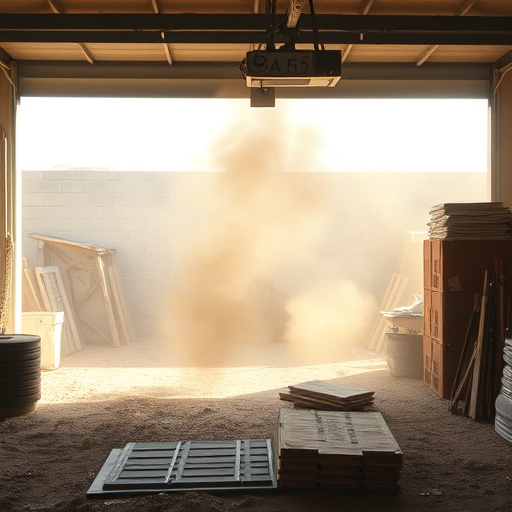
In desert climates, garages can become hotspots for dust accumulation due to a unique interplay of heat and humidity. The intense sun heats up garage doors, causing them to expand significantly, especially if made of metal. This expansion creates tiny gaps around the door edges, allowing dust particles—both from outside and already present in the garage—to infiltrate indoors. The result is a persistent cloud of dust that can affect air quality and even pose health risks for residents, particularly those with respiratory sensitivities or conditions like asthma.
Heat exacerbates this issue naturally, especially during the hotter months. When combined with reduced ventilation, as often occurs when garages are used primarily for storage rather than as entry points, the effect is amplified. Regular dusting may seem like a sufficient solution, but it’s not enough to combat the problem at its source. A proactive approach involves understanding how heat and dust interact in these environments and implementing strategies to mitigate their effects.
Regular maintenance schedules are key to peace of mind. This includes lubricating door hinges and tracks to minimize friction-induced wear and keeping weather sealing intact to prevent drafts that could carry dust in. For homeowners in desert regions, it’s also wise to invest in local repair pros specializing in humidity control inside garages. These experts can provide tailored solutions, such as installing exhaust fans or adjustable thermostats, to regulate temperature and humidity levels, thus reducing dust generation.
A practical tip for saving money is to focus on heat-induced door expansion. By addressing gaps around doors, you can cut down on the entry of both heat and dust. This might involve replacing older panels with more modern, resilient materials or sealing existing ones with high-quality door sweeps. Remember that, in areas experiencing extreme desert humidity, regular inspection and maintenance are crucial to prevent costly repairs later due to heat-related issues. Give us a call at Garage Door Panel Replacement for expert advice tailored to your specific needs.
Effective Strategies to Reduce Garage Dust
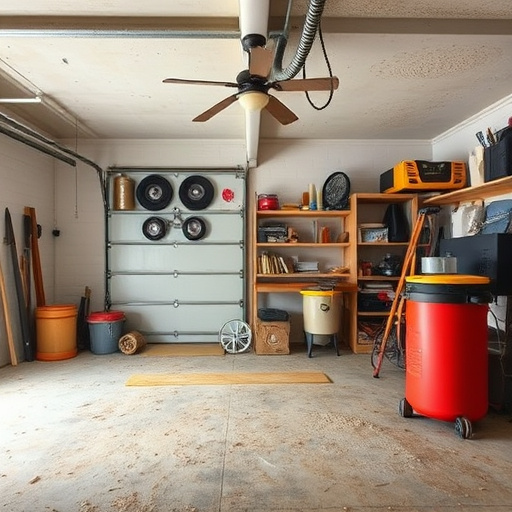
Garage dust is a significant concern in desert areas, where the combination of dust and heat can naturally exacerbate issues with garage doors. The arid climate promotes dust buildup on various surfaces, including garage door components, leading to increased friction and potential damage over time. This is particularly true for older or poorly maintained garage doors, which may experience accelerated wear and tear. In such environments, effective strategies to reduce garage dust are essential not only for maintaining the overall indoor air quality but also for ensuring the longevity and safety of garage doors during heatwaves.
One of the primary methods to mitigate dust accumulation is through regular cleaning. Homeowners should aim to clean their garage doors at least once or twice a month, depending on the level of dust in the area. Using a soft brush or cloth, gently wipe down all accessible surfaces, including the door panels, tracks, and hinges. This simple practice significantly reduces the amount of dust that can be kicked up when the garage door is operated, especially during hot weather. Additionally, applying a thin layer of lubricating spray to moving parts can further minimize friction and reduce wear, ensuring smoother operation and extending the life of the door.
For more intensive cleaning or in cases where garage doors are heavily soiled, professional desert area repair services offer quick response times and specialized solutions. These experts understand the unique challenges posed by desert climates and employ advanced techniques tailored to deep clean and restore garage doors. Moreover, they can provide valuable advice on door maintenance, including recommendations for regular checks during extreme weather conditions. As temperatures rise, it’s crucial to address any potential issues promptly to prevent heat-related damage. Give us a call at Garage door panel replacement for expert guidance and support in maintaining optimal garage door safety throughout the year.
Maintaining Healthy Air: Long-Term Solutions

Maintaining healthy air inside your garage is a year-round challenge, especially in desert climates where extreme temperatures and high humidity create unique obstacles. Dust, a persistent issue in arid environments, can accumulate on various surfaces, including garage doors, posing both aesthetic and health concerns. The natural movement of air in such regions often leads to an increase in dust particles, which, when combined with heat, can create a detrimental environment for both residents and their property.
In desert climates, the impact of heat and dust on garage doors is significant. Extreme temperatures can cause materials to expand and contract, leading to strain on door components over time. Additionally, the constant exposure to dusty air accelerates corrosion and deterioration, particularly in areas with minimal airflow or ventilation. To combat these issues, long-term solutions should focus on comprehensive humidity control and regular maintenance. Local repair pros emphasize that addressing desert climate challenges is crucial for preserving the integrity of garage doors.
One effective strategy is to ensure proper insulation and sealing around door frames and panels to minimize temperature fluctuations inside the garage. Regular cleaning with a damp cloth can help reduce dust buildup, but for deeper cleaning, consider professional services every 1-3 years, depending on local conditions. Implement efficient ventilation systems that draw out humid air and replace it with fresh outdoor air. Lastly, schedule routine safety inspections by trusted experts like Garage Door Safety Inspections to identify potential issues before they become costly repairs. By adopting these measures, homeowners can expect longer-lasting garage doors and improved indoor air quality year-round.
Garage dust is a complex issue, particularly in desert climates, where how dust and heat affect garage doors naturally creates unique challenges. Understanding the causes and impacts of garage dust, from climate factors to everyday activities, is key to addressing this problem effectively. The article has outlined powerful strategies to reduce dust, leveraging insights on heat exacerbating dust conditions and highlighting long-term solutions for maintaining healthy air. By implementing these practical next steps, homeowners can significantly improve indoor air quality, ensuring safer, healthier living environments within their garages and beyond. This authoritative guide provides valuable, actionable takeaways for navigating the complex landscape of garage dust control in desert regions.