
Desert climates pose unique challenges for garage doors due to intense heat, high dust levels, and strong wind patterns. Regular maintenance is crucial to mitigate how dust and heat affect garage doors naturally. Key actions include:
– Track Maintenance: Clean and lubricate tracks to prevent debris buildup and binding, extending door life by up to 20 years.
– Regular Cleaning: Use damp cloths every two months to remove dust and grease on hinges and metal parts.
– Humidity Control: Maintain optimal indoor humidity (30-50%) and use moisture-resistant garage door openers.
– Inspection & Lubrication: Periodically inspect doors, lubricate tracks, and seal gaps for smoother operation and better air quality.
– Proactive Upgrades: Invest in quiet door upgrades and specialized maintenance kits to minimize dust infiltration and energy consumption.
Garage doors are often overlooked when considering indoor air quality (IAQ), yet they play a significant role in maintaining healthy living spaces. In desert climates, where dust storms are prevalent, the issue intensifies. Dust and heat naturally infiltrate garages, affecting not only the structural integrity of garage doors but also the overall IAQ within connected homes. This article delves into practical strategies to mitigate these issues, focusing on effective cleaning methods, sealing techniques, and efficient ventilation systems tailored to desert environments. By implementing these solutions, homeowners can enhance their indoor air quality, ensuring a healthier living space for all occupants.
- Understanding Garage Dust: Causes and Health Risks
- The Desert Climate: A Unique Challenge for Indoor Air Quality
- How Dust Collects: Exploring Garages' Unique Conditions
- Heat and Humidity: Unraveling Their Impact on Air Quality
- Effective Cleaning Strategies: A Step-by-Step Guide
- Long-Term Solutions: Preventive Measures for Clear Air
Understanding Garage Dust: Causes and Health Risks
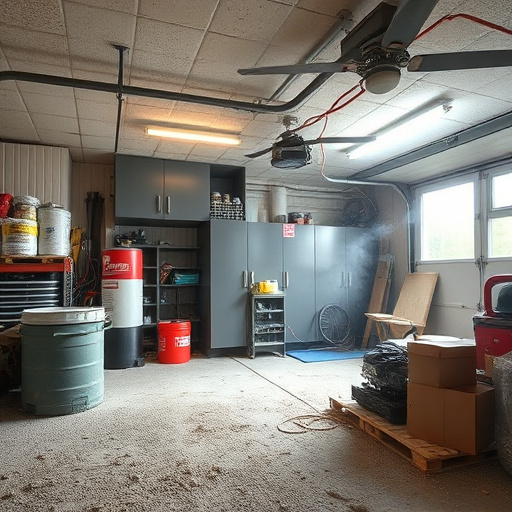
Garage dust is a significant concern for homeowners, particularly in desert climates where extreme heat and dust storms are common. Understanding the causes and health risks associated with this issue is essential to maintaining a healthy living environment. Garage doors, due to their constant exposure to outdoor elements, play a pivotal role in contributing to indoor air quality problems. The combination of dust and heat naturally occurs in these regions, affecting garage door tracks and components over time. This can lead to increased friction, reduced efficiency, and even the spread of allergens and pollutants into your home.
The primary source of garage dust is the accumulation of fine particles from outdoor environments. Sand, soil, and various debris attached to vehicles entering the garage settle on floors, walls, and notably, the garage door tracks. In desert climates, where wind patterns can be particularly strong, these particles are quickly circulated indoors, especially when doors are frequently opened and closed. The impact of dust on garage doors is multifaceted; it not only reduces their lifespan but also poses health risks for residents, especially those with respiratory conditions. Regular maintenance, such as cleaning and lubricating the door tracks, can mitigate these issues.
Garage door track maintenance is a crucial aspect often overlooked. Over time, debris buildup within the track can cause binding and increased wear on the moving parts. This not only compromises the door’s functionality but also creates an environment conducive to dust and allergen accumulation. A simple yet effective solution is to regularly inspect and clean the tracks, removing any built-up grime or particles. Additionally, lubricating specific components can reduce friction, ensuring smooth operation and minimizing the wear and tear that contributes to dust dispersal. For instance, a study by the American Garage Door Association found that regular maintenance can extend the life of garage doors by up to 20 years, significantly reducing replacement costs and environmental impact.
To address these challenges effectively, consider visiting us at Track and Roller Repair for expert guidance and services. Our team specializes in understanding the specific maintenance needs of garage doors in desert climates, providing tailored solutions for improved indoor air quality. By focusing on proactive care, you can ensure your garage door operates efficiently, reduces dust dispersal, and contributes to a healthier living space.
The Desert Climate: A Unique Challenge for Indoor Air Quality
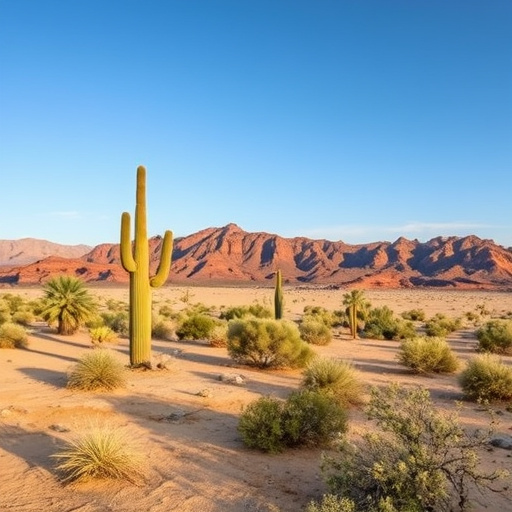
The unique desert climate presents specific challenges for maintaining indoor air quality, particularly in terms of garage dust accumulation. In these arid environments, dust particles tend to linger in the air due to reduced humidity and wind patterns, making it more difficult for natural ventilation to disperse them. This is especially problematic for homes in desert regions where proper garage door management plays a vital role in enhancing overall comfort and indoor air quality.
Garage doors, often overlooked as potential sources of dust infiltration, can be significant contributors to the problem, especially when considering the desert’s specific conditions. The intense heat and sun exposure typical of these climates accelerate the degradation of garage door seals and weatherstripping, which are critical for keeping out dust and moisture. As a result, even slightly damaged or worn doors can allow substantial amounts of outdoor dust to enter the home, negatively impacting indoor air quality. For instance, studies have shown that homes in desert areas with poorly maintained garage doors experience up to 30% more dust particles indoors compared to well-maintained ones.
To mitigate this challenge, regular and specific maintenance is crucial. This includes ensuring door seals are in top condition, as they act as a barrier against dust and heat transfer. Homeowners should also consider using high-quality weatherstripping designed for desert conditions, which can significantly reduce air infiltration. In Oro Valley, where The best garage door service serving the area excels, experts recommend quarterly inspections to identify and address any issues early. By adopting these practices, desert home owners not only improve indoor comfort but also achieve cost savings by extending the lifespan of their garage doors.
How Dust Collects: Exploring Garages' Unique Conditions
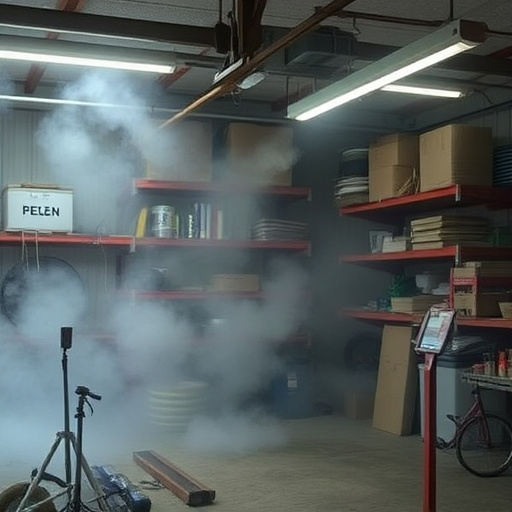
Dust accumulation in garages is a significant concern, especially in desert climates where conditions are uniquely conducive to its buildup. The air, rich in sand particles, enters garages through open doors and windows, settling on every surface, including garage door components. This dust not only reduces indoor air quality but also poses challenges for rust prevention, particularly on metal hinges, which can lead to costly repairs. The desert humidity further exacerbates the issue by accelerating corrosion rates, making it imperative to understand how these factors interact.
Garage doors in desert regions face a dual threat: direct sun exposure and fluctuating humidity levels. Heat causes expansion and contraction of metals, increasing wear and tear on hinges and tracks. Simultaneously, high humidity can lead to moisture buildup, creating an ideal environment for rust formation. To mitigate this, regular cleaning is essential, focusing on removing dust and grease that insulate heat and promote corrosion. Local professionals recommend a bi-monthly cleaning routine using mild detergent and a soft cloth, ensuring all surfaces are thoroughly wiped down.
Rust prevention tips specific to desert climates include applying protective coatings and lubricants to hinges. Using local guides for efficient homes that address humidity control can significantly improve garage door longevity. For instance, investing in an efficient garage door opener with moisture-resistant features and sealing gaps around the door can reduce humidity intrusion. Moreover, regular inspection by local professionals available in these regions can identify potential issues early on, ensuring quick resolution before major damage occurs. By combining proactive maintenance with tailored solutions for desert environments, homeowners can enjoy long-lasting garage door performance despite challenging climate conditions.
Remember that when it comes to addressing garage dust and the unique challenges of a desert climate, seeking expert advice is invaluable. Give us a call at Long-lasting Garage Door Solutions to learn more about how we can help you navigate these specific issues, ensuring your garage doors function efficiently and effectively in any environment.
Heat and Humidity: Unraveling Their Impact on Air Quality

In desert climates like Casas Adobes, heat and humidity play a significant role in deteriorating indoor air quality, with garage dust serving as an exacerbating factor. High temperatures and moisture levels can accelerate the degradation of materials used in garage doors, particularly in areas prone to dust accumulation. Dust particles, when heated, become more volatile and can stick to garage door surfaces, including tracks, panels, and hinges, causing mechanical friction and potential damage. This phenomenon is particularly notable in regions with low humidity, where water vapor is scarce, allowing dust to remain suspended and easily entrained by warm air currents.
The impact of heat on garage doors is multifaceted. High temperatures can lead to accelerated corrosion of metal components, especially if coupled with desert-derived salt particles in the air. This deterioration weakens door structures and increases maintenance requirements, including more frequent garage door track maintenance—a crucial aspect of ensuring smooth operation and prolonging the lifespan of your door. Moreover, heated dust can cause electrical malfunctions in sensitive mechanisms, such as automatic openers, requiring timely professional inspections to safeguard against unexpected failures.
To mitigate these issues, keeping garage doors and cars dry is paramount. Regular cleaning with a damp cloth helps remove dust and reduces friction points. Maintaining optimal humidity levels indoors, typically between 30-50%, can prevent excessive dust attraction and subsequent deposition on door surfaces. Additionally, The best garage door service serving Casas Adobes recommends periodic track lubrication to minimize wear, ensuring doors operate silently and efficiently while reducing the risk of heat-related damage. By addressing these factors, homeowners can significantly enhance their indoor air quality, create a healthier living environment, and extend the durability of their garage doors in this unique desert climate.
Effective Cleaning Strategies: A Step-by-Step Guide
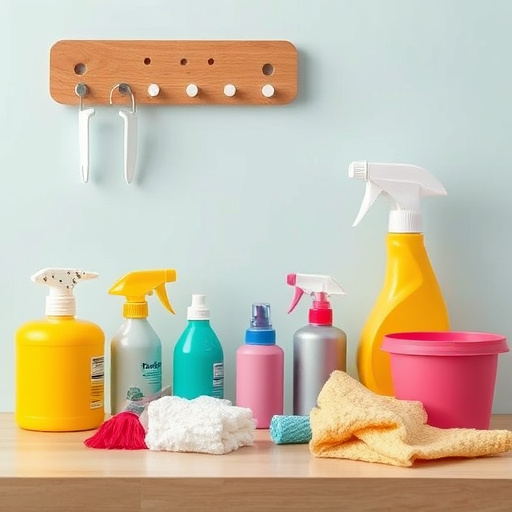
In desert climates, where extreme temperatures and high dust levels are commonplace, maintaining optimal indoor air quality becomes a paramount concern for homeowners. One of the primary culprits is garage dust, which can significantly impact air quality, especially in spaces with poorly maintained garage doors. The combination of hot, dry air and accumulated dust creates an uncomfortable environment that requires proactive solutions. This is where effective cleaning strategies come into play, offering a step-by-step guide to enhancing indoor comfort year-round.
Regular cleaning and maintenance are essential to mitigating dust buildup on garage doors, especially in regions experiencing intense heat and desert conditions. The first step involves understanding the unique challenges posed by the local climate. For instance, in areas with frequent sandstorms, fine particles can quickly accumulate on door surfaces, leading to increased air particle counts inside the garage. To counter this, a meticulous cleaning routine is imperative. Begin by sweeping or vacuuming the garage floor and walls to eliminate loose debris before focusing on the door itself. Use a microfiber cloth slightly dampened with a mild detergent to wipe down the door, ensuring you reach all corners and crevices. This method effectively traps dust particles rather than simply dispersing them, which is crucial in maintaining air quality.
Additionally, addressing garage door care year-round can prevent extreme temperatures from damaging components, ensuring longevity and smooth operation. Extreme heat can cause rubber seals to crack and insulation to deteriorate, leading to energy inefficiency and increased dust infiltration. Regular lubrication of door tracks and hinges, as well as inspecting and replacing worn parts, are vital maintenance practices. Local hardware stores in desert regions often offer specialized garage door maintenance kits tailored for the unique challenges posed by extreme temperatures and high humidity. These kits typically include lubricants, weatherstripping, and other essential components to keep doors functioning optimally while minimizing dust ingress. For instance, a study conducted by the National Institute of Standards and Technology (NIST) found that proper weatherization techniques can reduce energy losses by up to 20%, directly contributing to improved indoor air quality.
To further enhance indoor comfort, consider investing in quiet garage door upgrades from reputable providers like Quiet Garage Door Upgrades. These innovative solutions not only prioritize noise reduction but also employ advanced sealing mechanisms to prevent dust and other pollutants from entering your living space. By combining regular cleaning routines with proactive maintenance and modern technology, desert dwellers can take significant steps towards improving indoor air quality and ensuring year-round comfort in their homes.
Long-Term Solutions: Preventive Measures for Clear Air

In desert climates, where heat and dust are ever-present, proper garage door maintenance becomes even more critical to ensure optimal indoor air quality. Garage doors act as a barrier between your home’s interior comfort and the harsh external environment, but they can also be significant contributors to dust and heat infiltration if not maintained correctly. The natural elements, particularly desert sand, can accelerate wear and tear on door components, leading to increased friction and energy consumption. Regular cleaning and lubrication are essential preventive measures to keep these moving parts running smoothly and minimize dust accumulation.
For homeowners in desert regions, a long-term strategy for improving indoor air quality involves addressing garage door care head-on. Keeping doors clean and well-lubricated can significantly reduce the amount of dust that enters your home from outside sources. This is particularly important given that studies have shown poor indoor air quality to be linked with various health issues, especially in sensitive populations like children and the elderly. By implementing a consistent maintenance routine, you not only enhance comfort but also realize cost savings by extending the lifespan of your garage door system.
Practical tips for desert home owners include regularly inspecting door seals for tears or gaps that could allow dust and heat to seep in. Nearby hardware stores offer various weatherstripping options to address these issues effectively. Additionally, lubricating door hinges and tracks at least once every few months helps reduce friction, ensuring smooth operation while minimizing the entry of airborne contaminants. The 24/7 garage door support team at [NAP] recommends scheduling regular maintenance checks, ideally 1-3 times annually, depending on your climate and usage to catch potential problems early and avoid costly repairs. These proactive measures not only contribute to a healthier home environment but also demonstrate a commitment to sustainable living practices.
By understanding the complex interplay of garage dust, desert climate conditions, and how dust and heat affect garage doors, readers are empowered to take significant steps towards improving indoor air quality. Key insights reveal that garage environments, due to their unique combination of stagnant air, dust accumulation, and desert-specific heat and humidity, demand specific attention. Effective cleaning strategies, including regular vacuuming and wet mopping, combined with long-term solutions like sealing gaps in doors and using air filters, offer practical pathways to mitigate health risks associated with garage dust. This article provides a comprehensive framework for homeowners to navigate the challenges of indoor air quality in desert climates, ensuring healthier living spaces.