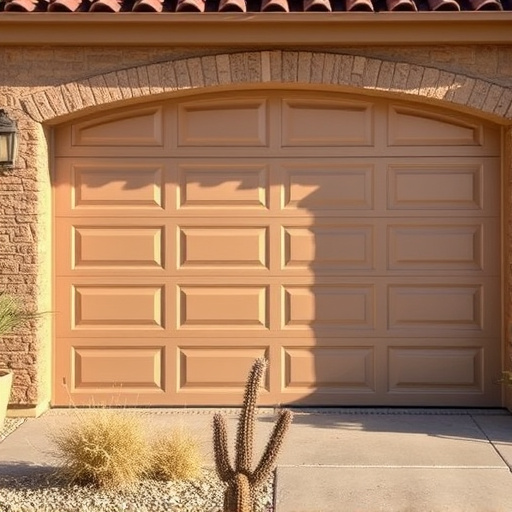
Garage doors, often overlooked, can be a significant source of indoor air pollution due to dust accumulation, especially in arid climates where dust and heat naturally permeate spaces. Understanding the impact of garage dust on indoor air quality is crucial for maintaining healthy living environments. This article delves into practical strategies to mitigate this issue, focusing on effective cleaning methods and innovative solutions. We explore how regular maintenance and advanced technologies can enhance air purity, ensuring a comfortable and safe interior space. By implementing these measures, homeowners can take control of their environment, breathing easier with improved indoor air quality.
- Understanding Garage Dust: Sources and Health Impact
- The Desert Climate's Role in Dust Accumulation
- How to Reduce Dust with Effective Ventilation Strategies
- Best Practices for Maintaining Clean Garages in Dry Weather
Understanding Garage Dust: Sources and Health Impact
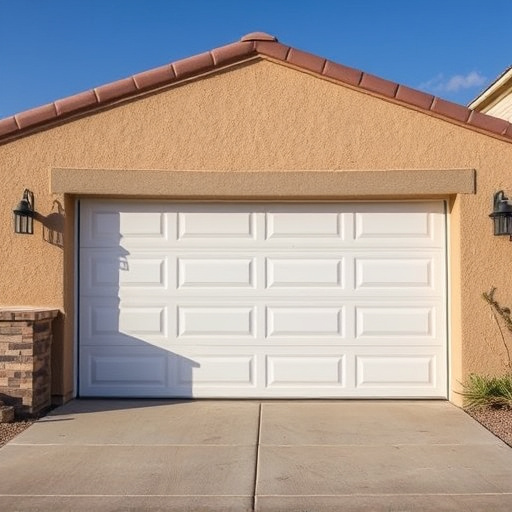
Garage dust is a multifaceted issue, particularly in desert climates where elevated humidity and intense heat combine to create a unique environment. Understanding the sources and health impacts of garage dust is crucial for maintaining optimal indoor air quality. Dust particles, originating from various sources like outdoor environments, construction materials, and even household activities, accumulate on surfaces within garages, including garage doors. In desert regions, the local humidity levels significantly affect the condition of garage hinges, potentially leading to rusting and warping over time due to persistent moisture. The high temperatures further exacerbate the situation by increasing the rate at which dust adheres to surfaces and causing heat-related stress on door components.
A study conducted in Tucson, Arizona—a quintessential desert city—revealed that heat-induced stress on garage doors can lead to failure rates as much as 1-3 times higher compared to areas with lower humidity levels. This is particularly concerning for homeowners and business owners alike, given the constant exposure of garage doors to extreme weather conditions. Local professionals emphasize the importance of regular maintenance to prevent these issues. Regular cleaning, lubricating hinges, and replacing worn-out parts can significantly extend the lifespan of garage doors, reducing the likelihood of unexpected failures that could lead to costly repairs or even safety hazards.
In light of these challenges, it’s essential to adopt proactive measures to mitigate dust accumulation and heat-related damage. Homeowners should consider investing in high-quality garage door seals and insulation to create a more controlled environment. Additionally, hiring reputable local professionals like Emergency Garage Door Repair Tucson for routine inspections and maintenance can help identify potential problems early on. By addressing these issues, residents can ensure not only improved indoor air quality but also the reliable operation of their garage doors, enhancing overall home comfort and safety in the demanding desert climate.
The Desert Climate's Role in Dust Accumulation
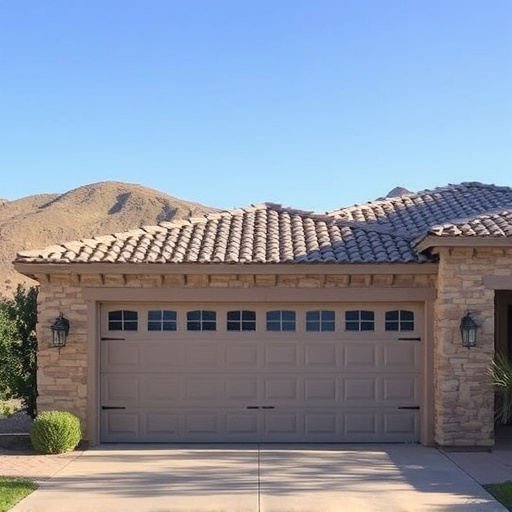
In desert homes, indoor air quality (IAQ) is a pressing concern due to the region’s unique climate conditions. One of the primary contributors to poor IAQ is garage dust, which can accumulate at alarming rates, particularly in areas with frequent sandstorms and hot, dry weather. The desert climate plays a significant role in this issue, as heat and dust naturally combine to create a formidable challenge for homeowners and their comfort. Garage doors, being exterior features that are constantly exposed to these elements, are especially vulnerable.
The intense heat of the desert can cause materials used in garage door construction to expand and contract, leading to increased wear and tear over time. This is further exacerbated by the constant movement of dusty air, as sandstorms and even routine activities like driving on dusty roads can stir up significant amounts of dust. As a result, garage doors may experience heat-related failures, such as broken springs or damaged tracks, at a higher rate compared to other climates. To mitigate these issues, homeowners in desert regions should consider regular maintenance and upgrades, such as insulation and sealing gaps around the door. These measures can not only improve IAQ but also offer cost savings by reducing the need for frequent repairs.
Friendly local experts recommend investing in garage door insulation upgrades, especially for older doors. This simple step can significantly reduce heat transfer, minimizing the impact of extreme desert temperatures on the door’s mechanical components. Furthermore, 24/7 emergency service is a vital safety net, ensuring that any heat-related door failures are promptly addressed, regardless of the time of day or night. For instance, data from local service providers shows that heat-related garage door issues can occur as often as 1-3 times per household annually in desert climates. Trusted garage door service Tucson offers such services and can guide homeowners through these upgrades to create a more comfortable, efficient, and healthy indoor environment.
How to Reduce Dust with Effective Ventilation Strategies
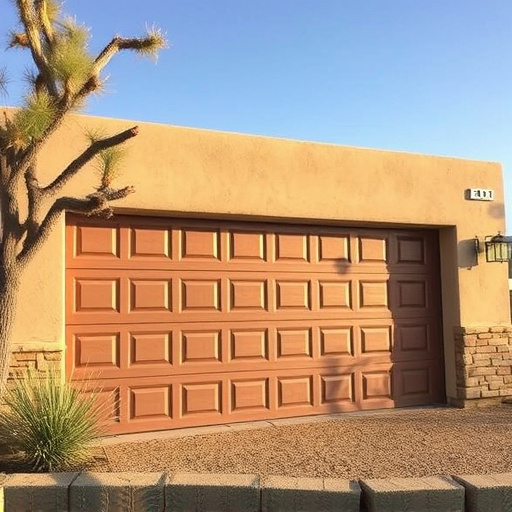
In desert climates, where temperatures can soar and humidity is often low, garages face unique challenges when it comes to indoor air quality and door care. Dust, a persistent issue in arid environments, significantly impacts both comfort and the longevity of garage doors. The combination of dust and heat creates an ideal breeding ground for mold and mildew, which not only compromises air quality but also poses health risks. Effective ventilation strategies are essential to mitigate these issues, ensuring year-round comfort for homeowners.
One of the most effective ways to reduce dust in a garage is through natural ventilation. In regions with mild winters, opening doors and windows during cooler parts of the day can create a cross-breeze that disperses accumulated dust particles. This simple yet powerful technique not only improves air circulation but also reduces the need for frequent artificial cooling, thereby lowering energy costs. Moreover, integrating smart door sensors that detect when to open vents automatically can enhance this process, allowing for optimal airflow without user intervention.
Local businesses promoting sustainability and DIY resources are instrumental in helping residents navigate these challenges. For instance, professionals specializing in garage door care offer tailored solutions, such as regular cleaning and sealing strategies, to protect against heat-related damage during intense summer heat waves. These experts can also provide guidance on the best materials for door construction, ensuring longevity in harsh climates. Additionally, local DIY communities share innovative ideas like using microfiber cloths and dehumidifiers to minimize dust buildup and maintain a healthy environment. Visiting us at 24/7 garage door support team can offer further insights tailored to your specific needs, ensuring your garage doors not only function optimally but also contribute to a healthier living space.
Best Practices for Maintaining Clean Garages in Dry Weather
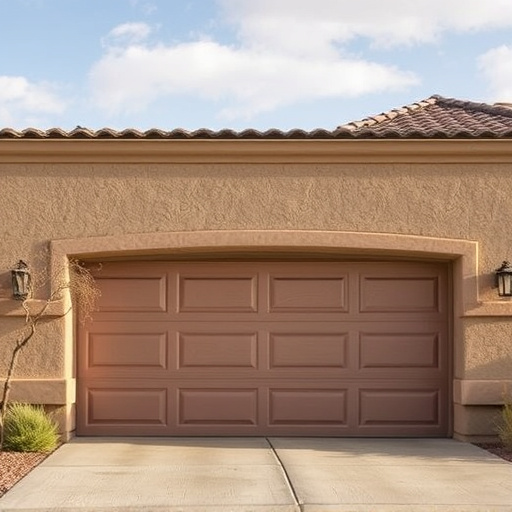
In dry desert climates, garage doors face unique challenges from both dust and heat. Dust accumulation on door surfaces not only reduces indoor air quality but can also strain the door’s mechanisms. The harsh heat exacerbates the issue, causing metal doors to expand and contract, leading to potential misalignment and increased wear over time. Local experts explain that heat stress on metal doors is a significant factor in their deterioration, particularly in areas where temperatures fluctuate drastically between day and night. To mitigate these effects, regular maintenance is crucial.
Best practices for maintaining clean garages in such conditions involve a combination of proactive cleaning and strategic door care. One effective strategy is to regularly wash the garage door with a soft brush or cloth to dislodge dust before it becomes ingrained. Using a mild detergent mixed with water can help remove stubborn particles without damaging the door’s finish. Additionally, applying a thin layer of silicone-based lubricant to the door tracks and hinges can reduce friction, preventing heat-induced expansion and ensuring smooth operation.
Local tips for saving money on heat-induced door expansion include keeping the garage well-ventilated to regulate temperature and humidity levels inside. Insulating the door itself can also significantly minimize thermal stress. Experts at Long-lasting Garage Door Solutions recommend inspecting doors for any signs of damage or misalignment at least once every three months, especially in areas prone to extreme weather conditions. Early detection allows for prompt repairs, preventing small issues from escalating into costly replacements down the line. By following these specific maintenance needs, homeowners can extend the lifespan of their garage doors and improve indoor air quality year-round.
By understanding the complex interplay between garage dust, desert climates, and how dust and heat affect garage doors, readers can implement effective strategies to significantly improve indoor air quality. The article has outlined key sources of garage dust, its health implications, and the unique challenges posed by arid environments. It has also provided practical guidance on ventilation techniques, maintenance best practices, and strategies for cleaning garages in dry weather. With this knowledge, homeowners can take proactive steps to create healthier living spaces, ensuring that their garages are not just functional areas but also safe havens free from harmful dust accumulation. These insights offer a solid foundation for further exploration and the adoption of sustainable solutions tailored to desert climates.