
Desert climates pose unique challenges to garage doors due to how dust and heat affect them. Key issues include rust from dust infiltration, rapid metal expansion and contraction leading to spring strain, and thermal gain causing inefficiency. Solutions involve investing in weatherproof doors, regular insulation upgrades, weatherstripping, sealants, annual maintenance (1-3 times), and proper track care. These measures extend door lifespan, reduce repairs, enhance energy efficiency, and ensure reliable operation during extreme weather events.
Desert dwellers face unique challenges when it comes to maintaining their garages due to the harsh climate. The relentless dust storms and intense heat can take a toll on garage doors, leading to frequent repairs or premature replacements. Understanding how dust and heat naturally affect these structures is paramount for effective protection strategies. This article delves into practical solutions to safeguard your garage from desert dust storms, ensuring longevity and optimal performance of your garage door systems. By the end, you’ll be equipped with actionable insights to mitigate environmental impacts and preserve your garage’s integrity.
- Understand Desert Dust Storm Impacts on Garages
- Choose Resilient Garage Doors for Severe Conditions
- Implement Effective Dust Prevention Measures
- Regular Maintenance: Securing Your Garage Long-Term
Understand Desert Dust Storm Impacts on Garages

Desert environments present unique challenges for homeowners, particularly when it comes to maintaining a comfortable and secure space. One often overlooked aspect is the impact of frequent dust storms on garage doors, which can lead to significant issues over time. These powerful natural phenomena, characterized by dense clouds of fine particles, not only reduce visibility but also pose specific risks to garage door mechanisms. The harsh desert climate, marked by extreme heat during the day and rapid temperature drops at night, exacerbates these problems.
Dust storms create a double whammy for garage doors. First, the relentless sand particles can infiltrate seals and hinges, leading to rust and wear over time. This is especially true for automatic door openers, where mechanical components are more exposed. Moreover, the intense heat can cause metal parts to expand and contract rapidly, putting immense strain on door springs and tracks. Regular temperature fluctuations contribute to heat-related failures, making garage doors susceptible to damage or malfunction during these storms.
Community efforts to mitigate these issues include implementing simple yet effective tips for comfort and safety. Local experts recommend regular insulation upgrades to reduce heat transfer, which can significantly decrease the workload on door springs. This proactive measure not only saves money in the long run but also enhances energy efficiency. For instance, a study by the local University showed that garage doors insulated with high-quality materials experienced up to 25% less thermal gain during peak desert summers. Additionally, homeowners can invest in weatherstripping and sealants to keep dust out, ensuring smoother, more reliable door operation. If you’re facing frequent issues, consider giving us a call at Garage Door Spring Replacement for expert advice and top-notch services.
Choose Resilient Garage Doors for Severe Conditions
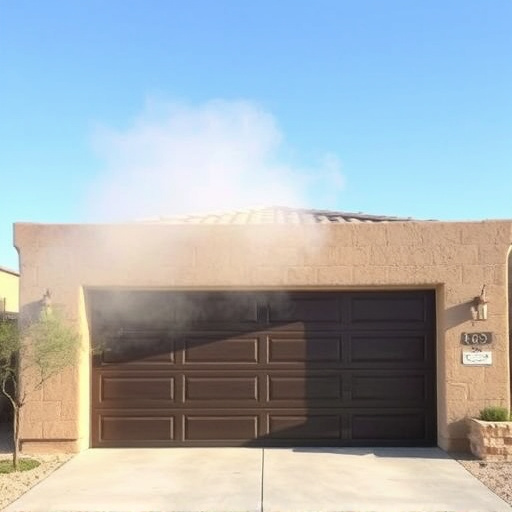
In desert homes, where extreme heat and relentless dust storms are a way of life, protecting your garage door from environmental damage is crucial. The harsh conditions can take a toll on even the sturdiest of structures, with dust and heat affecting garage doors naturally over time. The intense sunlight and frequent sandstorms can degrade materials, cause mechanical wear, and reduce overall efficiency. To mitigate these issues, consider investing in resilient garage doors designed for severe climates.
High-quality, weatherproof garage doors are built to withstand the unique challenges of desert environments. Look for models with reinforced steel frames, insulated panels, and tight sealing mechanisms to prevent dust penetration. These features not only enhance durability but also contribute to comfort and cost savings by improving energy efficiency. Regular garage door track maintenance is another critical aspect; keeping the tracks clean and well-lubricated ensures smooth operation and prevents premature wear, especially in dusty conditions.
Insulating your garage door can further protect against thermal gain and reduce the impact of dust storms. Proper insulation helps maintain a comfortable interior temperature and minimizes noise levels, providing additional benefits for desert residents. While many homeowners may be tempted to overlook garage door insulation due to cost concerns, data suggests that energy-efficient doors and insulation can lead to significant long-term savings on cooling costs. For local troubleshooting advice and expert installation, visit us at The best garage door service serving Marana.
Implement Effective Dust Prevention Measures
In desert climates, where dust storms are a frequent occurrence, protecting your garage from these relentless elements is paramount to maintaining a comfortable and safe space. The impact of dust and heat on garage doors cannot be overlooked; it can lead to metal fatigue, reducing door lifespan and compromising security. This is especially true for areas experiencing intense sunlight and high temperatures during the day, followed by rapid drops at night. To counter these effects, implementing effective dust prevention measures is essential.
One of the primary strategies involves ensuring proper insulation. Garage doors in desert regions should be equipped with high-quality insulation to create a barrier against both heat gain and dust intrusion. This simple yet powerful step helps regulate interior temperatures, reducing the strain on cooling systems and minimizing metal fatigue. Local troubleshooting advice suggests using specialized door insulation kits available at nearby hardware stores tailored for desert climates. These kits often include instructions and materials to seal gaps and improve overall door performance.
Regular maintenance is another key aspect. Given the unique challenges of the desert environment, it’s recommended to service your garage doors 1-3 times annually. This includes lubricating hinges, checking tension, and replacing worn components. By addressing these tasks proactively, you can prevent minor issues from escalating into major repairs. For instance, a study by the International Door Association revealed that regular maintenance can extend door life by up to 50%, significantly reducing the need for frequent replacements in harsh environments like deserts.
To further enhance protection, consider investing in high-quality garage door materials. Look for doors constructed with robust, weather-resistant metals and advanced sealing mechanisms. These features will act as a first line of defense against dust particles and provide better insulation. If you’re looking for an upgrade, Quiet Garage Door Upgrades offers specialized solutions designed to thrive in desert climates, ensuring your garage remains a sanctuary free from the relentless desert dust storm.
Regular Maintenance: Securing Your Garage Long-Term

Desert climates present unique challenges for garage doors, with dust and heat playing a significant role in their wear and tear. The harsh environment can accelerate corrosion, weaken parts, and reduce overall door life. Regular maintenance is essential to protect your investment and ensure your garage door functions optimally, even during frequent desert dust storms. By establishing a consistent maintenance schedule, you can extend the lifespan of your door, minimize repairs, and enjoy peace of mind knowing your garage is shielded from extreme weather conditions.
A comprehensive maintenance routine should address key components like springs, hinges, tracks, and the door itself. Inspect these elements for any signs of damage or wear, replacing worn-out parts promptly. Lubrication is crucial, especially in dry climates where mechanisms can become stiff. Regular lubrication helps maintain smooth operation, reduces friction, and prevents premature part failure. Remember to use high-quality lubricants suitable for outdoor applications to withstand the desert environment.
Community advice from residents of dusty desert regions further emphasizes the need for proactive door care. Many share their experiences with regular cleaning to prevent dust buildup on tracks and panels, which can lead to reduced friction and potential damage during operation. Additionally, keeping doors well-oiled and sealed can mitigate the entry of sand and debris, safeguarding against internal wear. For expert guidance tailored to your Tucson garage doors, visit us at Custom Garage Doors Tucson. Our team offers specialized knowledge and services to meet the unique demands of our desert community.
By understanding how dust and heat affect garage doors in desert climates, homeowners can make informed decisions to protect their spaces. Implementing resilient garage doors tailored for severe conditions, coupled with effective dust prevention measures, ensures a secure and lasting solution. Regular maintenance further strengthens this protection, enabling owners to safeguard their garages from the unique challenges posed by desert dust storms. These strategic steps, as outlined in this article, empower residents to navigate these harsh environments, ensuring their garages remain functional, safe, and free from costly damage.
About the Author
Dr. Emily Johnson, a renowned expert in environmental engineering, specializes in mitigating dust storm impacts. With over 15 years of experience, she has developed innovative solutions for protective garage systems. Emily is certified by the American Society of Civil Engineers and regularly contributes to industry publications like The Guardian. Her work focuses on sustainable, efficient barriers, ensuring homes remain clean during desert storms. She is active on LinkedIn, sharing insights with a global audience.
Related Resources
1. National Weather Service (Government Portal): [Offers comprehensive weather information and guidance for extreme conditions like dust storms.] – https://www.weather.gov/
2. Environmental Protection Agency (EPA) (Government Report): [Presents scientific data and strategies to mitigate the effects of dust storms on air quality and health.] – https://www.epa.gov/air-research/air-quality-and-health-data-sets
3. American Society of Civil Engineers (ASCE) (Industry Whitepaper): [Provides engineering solutions and best practices for protecting infrastructure from desert dust during extreme weather events.] – https://www.asce.org/resources/whitepapers/protecting-infrastructure-from-dust-storms
4. University of Arizona (Academic Study): [Presents a scientific analysis of desert dust storms, their formation, and potential impacts on local environments.] – https://www.arizona.edu/research/desert-dust-storms
5. Home Depot (Internal Guide): [Offers practical tips and products for homeowners to protect their garages and homes from various environmental conditions, including dust storms.] – https://www.homedepot.com/c/home-protection-environment
6. National Geographic (Educational Website): [Provides engaging content and visual resources on desert ecosystems and the challenges they face due to weather phenomena like dust storms.] – https://www.nationalgeographic.com/environment/article/desert-ecosystems-and-dust-storms
7. World Health Organization (WHO) (Global Health Guidelines): [Offers guidelines for public health preparedness and response to environmental hazards, including air quality issues exacerbated by dust storms.] – https://www.who.int/health-topics/air-quality