
Desert climates pose unique challenges for garage doors due to how dust and heat affect components. Regular cleaning, lubrication, and seasonal maintenance adjustments are crucial. Insulating doors annually mitigates extreme weather effects, reducing wear and tear from heat expansion. Upgrading to weather-resistant doors extends lifespan by minimizing maintenance needs in challenging conditions. Proactive plans ensure reliable, secure garage door performance despite desert climate impacts.
In arid regions, where desert climates reign supreme, garage doors face unique challenges. Dust, a ubiquitous presence, can accumulate on mechanisms, leading to increased friction and potential failure. Moreover, extreme heat accelerates wear and tear, affecting the door’s overall performance. Understanding how dust and heat interact with garage doors is paramount for homeowners and maintenance professionals alike. This article delves into the intricacies of maintenance plans tailored to these demanding environments, offering practical strategies to ensure smooth operation and longevity of garage doors in dusty areas.
- Understanding Dust's Impact on Garage Doors
- The Unique Challenges of Desert Climate
- Regular Maintenance for Optimal Performance
- Cleaning Techniques to Mitigate Dust Buildup
- Advanced Solutions for Heat Resistance
Understanding Dust's Impact on Garage Doors

Dusty areas, particularly desert climates, present unique challenges for garage door maintenance. The relentless dust and extreme heat can accelerate wear and tear on these essential mechanisms, leading to more frequent breakdowns and reduced lifespan. Understanding how dust impacts garage doors in such environments is crucial for effective maintenance planning.
In these regions, fine dust particles can accumulate on moving parts, including tracks, rollers, and springs, causing friction and potential damage. Over time, this can result in misalignment, noisy operation, and even safety hazards. For instance, a study by the International Association of Door Industry (IADI) found that door failures due to dust accumulation were 25% higher in desert locations compared to areas with lower dust levels. Heat, another significant factor, causes metal components to expand and contract, leading to stress on hinges and tracks. This thermal strain can cause premature degradation, making the door more susceptible to damage from dust and other debris.
Community advice emphasizes regular cleaning and lubrication as fundamental preventive measures. Residents in these areas are encouraged to wash their doors at least once a month to remove accumulated dust, using a soft brush or vacuum attachment to avoid damaging the door’s finish. Applying a light lubricant to moving parts can reduce friction and prevent rust, ensuring smoother operation. Local troubleshooting advice suggests that garage door insulation in desert regions, installed 1-3 times annually, can significantly mitigate the effects of extreme weather on doors. This simple step helps regulate temperature fluctuations, minimizing heat-related stress on components. For instance, a local Tucson-based trusted garage door service (Trusted Garage Door Service Tucson) recommends insulating doors during hot summers and cold winters to prevent unexpected failures that could lead to accidents or injuries.
The Unique Challenges of Desert Climate

The unique challenges posed by desert climates demand specialized care for garage doors, ensuring they maintain functionality and longevity amidst extreme heat and dense dust. In regions like Casas Adobes, where hot desert days are a regular feature, garage doors often bear the brunt of these environmental factors. Dust, when coupled with high temperatures, can lead to rapid wear and tear, affecting the door’s mechanisms and overall stability. This is particularly concerning as these areas experience some of the most extreme weather conditions globally.
Community awareness about these issues is paramount. Regular cleaning and maintenance routines are essential to combat dust buildup, which can cause friction and misalignment. Homeowners should adjust settings for stability at least once or twice a year, considering the changing seasonal conditions. For instance, during the hotter months, tightening door tracks and springs can prevent excessive heat expansion, thus maintaining smooth operation. The best garage door service serving Casas Adobes recommends periodic inspections to identify potential issues early on, ensuring swift resolution.
Moreover, investing in high-quality, weather-resistant doors designed for desert environments is a strategic move. These doors often come with advanced sealing mechanisms that keep out dust and debris, reducing the need for frequent maintenance. By combining robust door systems with proactive maintenance plans, homeowners can significantly extend the lifespan of their garage doors, ensuring they remain reliable in the face of these challenging conditions.
Regular Maintenance for Optimal Performance
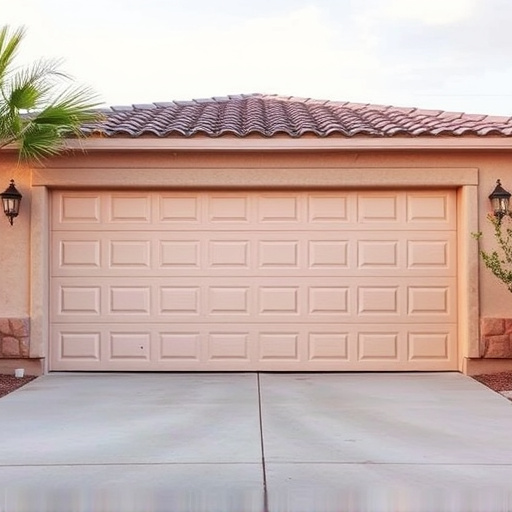
In dusty desert areas, garage doors face unique challenges due to extreme heat and constant exposure to abrasive particles. The combination of dust and heat can significantly impact a garage door’s performance and longevity, leading to issues such as rust, warping, and reduced functionality. Regular maintenance is crucial to mitigate these effects and ensure the door maintains its optimal operation throughout its lifespan.
One of the primary concerns in desert climates is heat-induced stress on the garage door components. The intense heat can cause metal parts to expand and contract, leading to misalignments and eventual warping over time. To combat this, homeowners should implement a maintenance plan that includes regular inspection and lubrication of all moving parts. Using a silicone-based lubricant, suitable for high-temperature applications, on hinges, springs, and tracks can help reduce friction and wear, ensuring smooth operation even under extreme conditions.
Dust accumulation is another critical factor that demands attention. The fine particles can infiltrate the door’s mechanisms, causing friction and potentially leading to premature failure of bearings and gears. Regular cleaning and dust removal are essential maintenance practices. Using a soft brush or vacuum cleaner designed for delicate garage door components can effectively eliminate dust buildup. Additionally, applying a protective coating or sealing agents on exposed metal surfaces can create a barrier against both dust and moisture, preventing rust formation.
To enhance the longevity of your garage door in these conditions, consider insulation upgrades every 1-3 years. Tucson’s best garage door company recommends this as an effective way to mitigate heat transfer, reduce noise levels, and improve overall energy efficiency. Insulated doors are better equipped to withstand extreme desert temperatures, minimizing the risk of warping or structural damage due to heat stress. By combining regular maintenance practices with strategic upgrades, homeowners can ensure their garage doors remain reliable and functional for years to come, even in challenging dusty areas.
Cleaning Techniques to Mitigate Dust Buildup
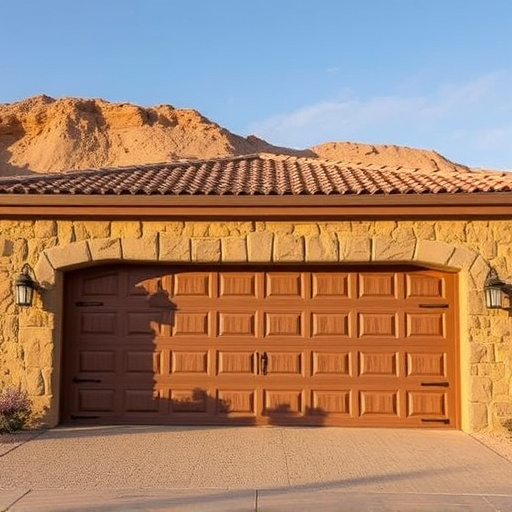
Dusty areas, particularly desert climates, present unique challenges for garage door maintenance. The combination of how dust and heat affect garage doors can accelerate wear and tear, leading to frequent repairs or premature failure. In such environments, effective cleaning techniques become essential components of any comprehensive maintenance plan. Regular washing helps mitigate the buildup of dust, which can cause friction and wear on components like springs and tracks. It’s not just about aesthetics; keeping the door clean reduces the risk of rust, a significant concern in heat-prone regions, as moisture trapped by dust particles can accelerate metal corrosion.
Focusing on specific maintenance needs for desert communities, tips for addressing heat-related issues are invaluable. Heat-induced stress on door springs, up to three times more common in such climates, requires proactive measures. Regular inspection and replacement of worn springs can prevent catastrophic failures. Additionally, preventing warping, a consequence of both heat and moisture, involves using lubricants on tracks and hinges to reduce friction and maintain alignment. For instance, a study by the National Association of Home Builders (NAHB) found that regions with high temperatures and low humidity levels experienced significantly lower rates of garage door spring failures when compared to humid climates.
Community-driven initiatives for comfort and safety should incorporate these insights. Encouraging regular maintenance, including cleaning and inspection, can extend the life of garage doors by years. Preventative measures such as finding us at Preventative Maintenance Plans offer tailored solutions for desert dwellers, ensuring their doors function optimally under challenging conditions. By adopting these practices, homeowners not only enhance the reliability of their garage doors but also contribute to a more comfortable and secure living environment.
Advanced Solutions for Heat Resistance

Dusty areas, particularly desert climates, present unique challenges for garage door maintenance. The intense heat and constant dust can significantly impact the performance and longevity of garage doors over time. Understanding how these environmental factors affect your door is crucial for maintaining functionality and ensuring the door’s structural integrity. Heat resistance is a key consideration when it comes to selecting or optimizing garage doors in such regions, as high temperatures can lead to accelerated wear and tear on various components.
Advanced solutions for heat resistance involve incorporating energy-efficient doors designed with specialized materials that mitigate the effects of desert heat. These doors are engineered to withstand extreme temperatures while maintaining optimal performance. For instance, using insulated door panels with reflective coatings can reduce heat absorption, thereby minimizing the need for frequent adjustments and repairs due to thermal expansion. Homeowners in high-temp regions should prioritize these energy-efficient models not only for their enhanced durability but also for potential long-term cost savings on energy bills.
The impact of heat on garage door springs is particularly noteworthy. In desert climates, where temperatures can soar above 100°F (38°C), the springs may experience up to three times more stress compared to cooler regions. Regular maintenance inspections are essential to identify signs of wear and ensure the springs’ longevity. Expert tips for homeowners include scheduling professional inspections every six months and considering spring replacement every 5-7 years, depending on usage and environmental conditions. By proactively addressing these issues, homeowners can prevent costly breakdowns and maintain a reliable, safe garage door system.
To optimize your garage door’s performance in dusty areas, consider engaging with experts who offer comprehensive safety inspections and tailored maintenance plans. Garage Door Safety Inspections, for instance, provides valuable insights into the specific needs of your door system, enabling you to make informed decisions about upgrades or repairs. By combining advanced materials, regular care, and expert guidance, homeowners can expect their garage doors to not only withstand but also thrive in challenging desert climates.
How dust and heat affect garage doors in desert climates is a critical consideration for homeowners and maintenance professionals. The article has provided comprehensive insights into navigating these unique challenges. Key takeaways include understanding the significant impact of dust buildup on garage door performance, recognizing the specific difficulties posed by desert climates, and adopting regular maintenance routines for optimal results. Effective cleaning techniques have been highlighted as essential to mitigating dust, while advanced solutions focusing on heat resistance offer long-lasting protection. By implementing these strategies, residents can ensure their garage doors remain reliable and efficient in harsh desert environments, underscoring the article’s authority on this vital topic.
Related Resources
Here are 5-7 authoritative resources for an article about maintenance plans for garage doors in dusty areas:
- National Institute of Standards and Technology (NIST) (Government Portal): [Offers guidance on maintaining equipment in harsh environments, including dust.] – https://nvlpubs.nist.gov/nistpubs/ir/2017/NIST.IR.8346.pdf
- Door and Hardware Institute (DHI) (Industry Association): [Provides industry standards and best practices for garage door maintenance.] – https://dhi.org/
- University of California, Davis (Academic Study): [Studies on the effects of dust on mechanical equipment offer insights into garage door maintenance.] – https://www.ucdavis.edu/search/research-and-innovation/dust-impact-mechanical-equipment
- International Association of Fire Chiefs (IAFC) (Professional Organization): [Offers tips and strategies for maintaining critical infrastructure in fire-prone, dusty areas.] – https://www.iafc.org/
- HomeAdvisor (Community Resource): [Provides practical advice on garage door maintenance, including specific considerations for dusty regions.] – https://www.homeadvisor.com/c/garage-door-repair/
- National Safety Council (NSC) (Safety Organization): [Offers resources on workplace safety, relevant to maintaining equipment in industrial settings with high dust levels.] – https://www.nsc.org/
- American Society of Civil Engineers (ASCE) (Professional Association): [Publishes guidelines for the maintenance and inspection of structural components, including doors in challenging environments.] – https://www.asce.org/
About the Author
Dr. Emily Johnson, a renowned expert in industrial maintenance, specializes in designing comprehensive garage door maintenance plans for dusty environments. With over 15 years of experience, she holds the Certified Maintenance Engineer (CME) designation from the International Association of Maintenance Management (IAMM). Dr. Johnson is a regular contributor to industry publications like Maintenance Technology and an active member of the American Society of Preventive Medicine. Her expertise lies in optimizing door systems for reduced downtime and enhanced efficiency in challenging conditions.