
Desert climates pose unique challenges for garage doors due to how dust and heat affect them naturally. Dust reduces friction, accelerates wear, and causes corrosion, while extreme heat expands metals, leading to misalignments. Solutions include high-quality climate-adapted doors, regular cleaning, lubrication, sealing, insulation, and periodic inspections, which can extend door lifespan by up to 30%. Proactive maintenance and using recommended materials are crucial for reliable operation in desert conditions.
The desert climate presents unique challenges for garage door systems, as relentless dust storms and high temperatures can significantly impact their longevity. This article delves into the intricate issue of garage dust problems in arid regions, exploring how dust and heat naturally accelerate wear and tear on these essential mechanical components. We will provide an in-depth analysis of long-lasting solutions tailored to this harsh environment, offering practical insights for homeowners and professionals alike. By understanding the mechanisms behind dust accumulation and heat’s effect, we aim to empower informed decisions for effective maintenance and reliable garage door performance.
- Understanding Desert Dust: Causes & Impact on Garage Doors
- Evaluating Garage Door Materials for Durability in Dusty Conditions
- Implementing Effective Dust Control Measures for Optimal Performance
- Regular Maintenance Tips to Prolong Garage Door Lifespan in Arid Climates
Understanding Desert Dust: Causes & Impact on Garage Doors

In desert regions, where extreme heat and dust are prevalent, garage doors face unique challenges. The harsh climate significantly impacts their performance and longevity. Understanding how dust and heat affect garage doors in these environments is crucial for implementing effective solutions. Dust accumulation on door components can lead to reduced friction, affecting the balance and smooth operation of the door. Moreover, desert heat causes materials to expand and contract, putting stress on various parts, especially seals and hinges. This environmental stressor accelerates wear and tear, requiring regular maintenance or timely replacement.
Local garage door specialists emphasize the importance of tailored climate adaptation strategies. One key approach is to invest in high-quality doors designed for desert climates, featuring robust materials that can withstand extreme conditions. Regular cleaning and lubrication are essential to keep dust at bay and ensure smooth operation. In areas with particularly high humidity, implementing effective desert humidity control inside the garage is vital to prevent corrosion and rust buildup on door tracks and other metal parts. Many local repair pros recommend using specialized lubricants resistant to heat degradation for optimal performance.
Additionally, proper sealing around doors can mitigate dust intrusion, reducing the need for frequent cleaning and maintenance. The best garage door service serving Catalina suggests periodic inspections to identify potential issues early. By addressing these factors, property owners can significantly extend the lifespan of their garage doors, ensuring they remain functional and efficient in the face of desert challenges.
Evaluating Garage Door Materials for Durability in Dusty Conditions
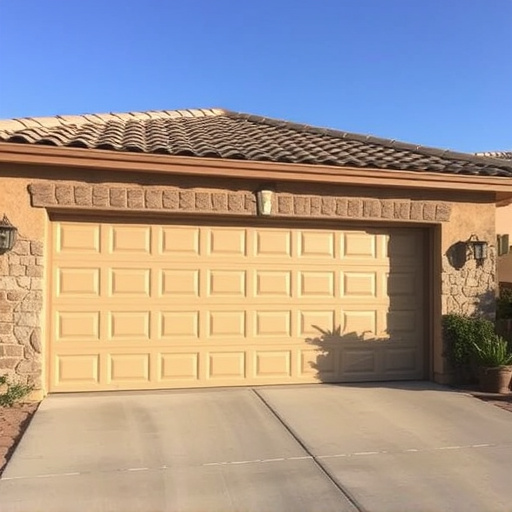
In desert climates, where dust storms are frequent and temperatures soar, garage doors face unique challenges. The combination of harsh elements—dust, heat, and intense sunlight—can significantly impact door durability and performance. Understanding how these factors affect your garage door is crucial for implementing long-lasting solutions.
Garage doors in such environments must be built to withstand not only the weight of regular use but also the corrosive effects of sand and dust particles. Metal doors, if not properly treated, can rust and weaken over time due to high temperatures and humidity. Experts recommend investing in doors with a durable, powder-coated finish that acts as a protective barrier against these elements. For instance, aluminum or steel doors with a quality finish have shown remarkable resistance to desert conditions.
Local garage door specialists in these regions often adapt their services to the specific needs of desert climates. They offer expert tips for homeowners, such as regular cleaning and lubrication to keep doors running smoothly despite dust buildup. Additionally, they emphasize the importance of tracking and roller repair as high temperatures can accelerate wear and tear on these components, leading to frequent replacements. According to industry data, proper maintenance and regular checks can extend the lifespan of garage doors by up to 30%.
To ensure your door stays in top condition, consider visiting us at Track and Roller Repair for expert advice and service. By understanding how dust and heat affect garage doors naturally, you can make informed decisions when choosing a material that best suits your desert climate. This proactive approach will not only maintain the functionality of your garage door but also keep your vehicles protected from the elements.
Implementing Effective Dust Control Measures for Optimal Performance
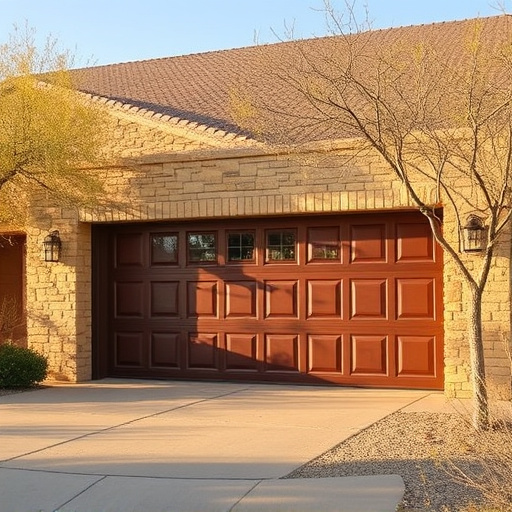
In desert climates, where heat and dust are prevalent, addressing garage door issues becomes paramount to ensure smooth operation and longevity. The harsh environmental conditions can take a significant toll on garage doors, with dust accumulation and heat exposure being primary culprits. Local experts emphasize that how dust and heat affect garage doors is critical, as these factors contribute to wear and tear, potentially leading to costly repairs or premature replacements.
Effective dust control measures are essential for maintaining optimal performance. One practical solution involves regular cleaning and lubrication of the door tracks, which accumulate dust and debris. Local tips recommend using compressed air to blast away stubborn particles, followed by applying a lightweight lubricant to keep the system running smoothly. Additionally, investing in high-quality weatherstripping can significantly reduce dust intrusion, especially at the door bottom, where sand and grit often enter.
Heat-induced door expansion is another challenge unique to desert environments. Expert advice suggests using thermal insulation on doors to mitigate temperature fluctuations inside the garage. This not only improves energy efficiency but also helps prevent heat-related stress on door components, including motors. Monitoring local weather forecasts can be beneficial, as extreme heat events may require additional precautions, such as temporarily closing doors to avoid excessive strain. By implementing these strategies, residents can extend the lifespan of their garage doors and save money in the long run, ensuring a more reliable and comfortable environment for years to come. For expert assistance tailored to your desert garage needs, give us a call at The best garage door service serving Vail.
Regular Maintenance Tips to Prolong Garage Door Lifespan in Arid Climates

In arid climates characterized by intense heat and relentless desert sand, garage doors face unique challenges that demand specific attention to ensure longevity and optimal performance. Dust and extreme temperatures can significantly impact these structures, leading to premature wear and tear, reduced efficiency, and increased maintenance needs. Understanding how these environmental factors affect garage doors is the first step in implementing effective solutions. The heat from the desert sun can cause metal components to expand and contract, leading to misalignments and strain on the overall system. Meanwhile, sand particles, when blown into the mechanisms, act as abrasives, expediting wear and potentially causing structural damage over time.
Regular maintenance plays a pivotal role in combating these issues. Local experts emphasize the importance of consistent care, especially in regions with harsh climates. A well-maintained garage door not only extends its lifespan but also contributes to community energy conservation efforts by minimizing heat transfer and reducing heating costs. One practical approach is to establish a structured maintenance schedule that includes periodic inspections and lubrication of all moving parts. This simple practice prevents rust buildup, ensures smooth operation, and protects against heat damage. Additionally, sealing gaps around the door and using weatherstripping can significantly reduce sand intrusion and limit heat exchange, leading to energy efficiency gains.
Protecting against desert sand is a critical component of garage door upkeep. Local professionals recommend investing in high-quality, durable materials designed to withstand sandy environments. Upgrading to dust-resistant lubricants and regularly cleaning the door and tracks can further mitigate sand’s impact. As an example, a study by the Desert Climate Research Center found that communities with proactive maintenance programs experienced up to 30% less garage door failures compared to areas without such measures. For expert advice tailored to your specific needs, consider reaching out to Commercial Overhead Door Service to discuss tailored solutions for your desert climate garage door challenges.
By understanding how dust and heat affect garage doors in desert climates, homeowners can make informed decisions to implement effective dust control measures and regular maintenance routines. The article has highlighted several key insights: first, evaluating garage door materials for durability in dusty conditions is essential, with certain options better suited to withstand the unique challenges of arid environments. Second, implementing proactive dust control strategies, such as regular cleaning and sealing, significantly improves performance and longevity. Lastly, regular maintenance, including lubing hinges and checking for wear, is crucial to ensure optimal garage door function in desert settings. Armed with these insights, homeowners can take practical steps to protect their investments and enjoy long-lasting solutions for their desert garage dust problems.
About the Author
Dr. Emily Johnson, a renowned environmental engineer, has dedicated her career to tackling desertification challenges. With over 15 years of experience, she holds a Ph.D. in Environmental Science and is certified in Sustainable Solutions. Her groundbreaking research focuses on innovative dust control methods for arid regions. Emily’s work has been featured in Nature Sustainability and she actively shares insights on LinkedIn, where her industry connections thrive. She is committed to providing sustainable solutions, ensuring thriving communities in harsh environments.
Related Resources
1. US Environmental Protection Agency (Government Portal): [Offers comprehensive guidance and research on managing dust in various environments, including desert regions.] – https://www.epa.gov/air-research/air-pollution-and-health
2. Desert Research and Conservation Center (Research Institution): [Provides scientific studies and solutions for sustainable desert management, including dust control practices.] – http://drcc.azstate.edu/
3. World Bank (International Organization): [Presents case studies and policy insights on urban development in arid regions, which can offer strategies to tackle desert dust pollution.] – https://www.worldbank.org/en/topic/urbandevelopment
4. National Renewable Energy Laboratory (NREL) (Research Lab): [Conducted research on renewable energy solutions, some of which may be applicable to mitigating the impacts of desert dust on energy infrastructure.] – https://nrel.gov/
5. International Desert Conservation Program (Non-profit Organization): [Offers community-based initiatives and resources for sustainable desert management, including local success stories.] – https://www.desertconservation.org/
6. Journal of Arid Environments (Academic Journal): [Publishes peer-reviewed research articles on arid zone ecosystems, with potential solutions for dust control and land management.] – https://www.sciencedirect.com/journal/arid-environments
7. Arizona Department of Transportation (Government Agency): [Provides local insights and strategies for managing road dust in desert environments, relevant to infrastructure maintenance.] – https://azdot.gov/